


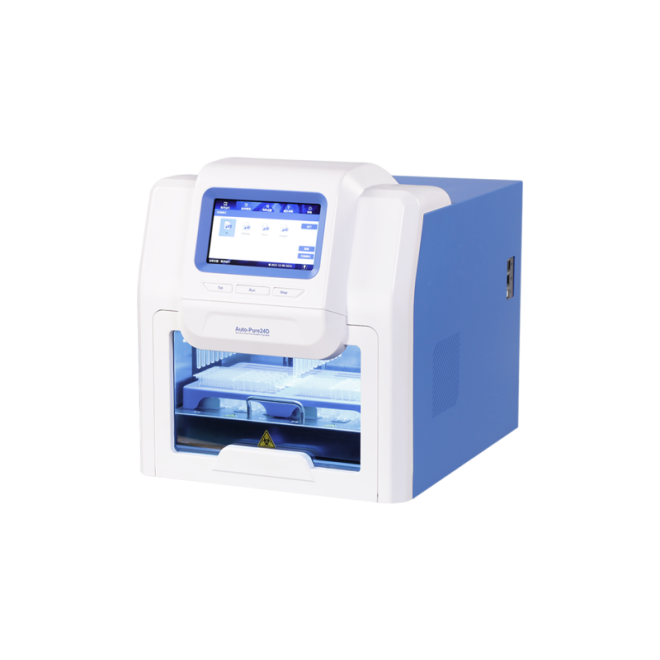
Shopping for in vitro diagnostic devices can feel like speed‑dating in a lab coat: lots of options, mysterious acronyms, and you’re never quite sure who actually meets your quality and budget standards.
The Global Buyer Guide to In Vitro Diagnostic Devices 2026 breaks everything down with clear benchmarks, evidence‑based criteria, and aligned standards from reports like the WHO’s in vitro diagnostics guidance here, so you can choose confidently and avoid costly mistakes.
🧬 Key Regulatory Changes Shaping Global In Vitro Diagnostic Markets in 2026
In 2026, global rules for in vitro diagnostic (IVD) devices continue to tighten. Buyers must track new safety, performance, and data requirements across major markets.
This guide helps importers and distributors adjust sourcing plans, manage risk, and select IVD partners who already build 2026 compliance into design, testing, and documentation.
1. Stronger Risk Classification and Clinical Evidence Rules
Authorities now link device risk levels to deeper clinical proof. High‑risk IVDs must provide robust clinical performance and post‑market data to maintain approval status.
- Reassess risk class before entering a new market.
- Confirm access to real‑world performance data.
- Align labeling, IFUs, and risk claims.
2. Digital Reporting, UDI, and Traceability
Unique Device Identification (UDI) and electronic reporting support recalls and safety signals. Buyers should favor suppliers with mature, digital track‑and‑trace systems.
| Requirement | Buyer Checkpoint |
|---|---|
| UDI on labels | Visible codes on primary and secondary packaging |
| Electronic vigilance | Supplier can file rapid safety reports |
3. Data, Cybersecurity, and Software as a Medical Device
Cloud connectivity and AI in IVDs raise data security and bias concerns. Regulators ask for clear cybersecurity plans and transparent algorithm performance.
- Clarify where patient data is stored and processed.
- Review software update and patch policies.
- Request bias and robustness testing for AI tools.
4. Sustainability and Supply Chain Resilience
Green policies and pandemic lessons shape sourcing. Buyers look for stable, diversified supply and lower‑waste consumables and accessories.
- Ask about dual sourcing of key materials.
- Prioritize recyclable plastics and reduced packaging.
- Check continuity plans for global disruptions.
🌍 Comparing Regional Approval Pathways for In Vitro Diagnostic Devices
Global IVD buyers must compare approval routes across the US, EU, China, and emerging markets to reduce delays and avoid unexpected regulatory gaps.
Understanding which region grants faster clearance, or demands deeper clinical data, helps shape pricing, stock planning, and local partnership strategies.
1. United States: FDA 510(k), De Novo, and PMA
The US uses a risk‑based system. Many IVDs go through 510(k), while novel or high‑risk tests may require De Novo or PMA routes.
| Pathway | Typical Use | Relative Time |
|---|---|---|
| 510(k) | Substantially equivalent devices | Short |
| De Novo | New, low–moderate risk | Medium |
| PMA | High‑risk, novel IVDs | Long |
2. European Union: IVDR CE Marking
Under IVDR, more IVDs require Notified Body review. Buyers should confirm updated CE certificates, performance evaluations, and EUDAMED registrations.
- Check new IVDR‑compliant labeling.
- Confirm notified body name and scope.
- Verify valid CE certificate dates.
3. China and Other Asia–Pacific Markets
China’s NMPA may ask for local testing and clinical data. Other Asia–Pacific markets often accept foreign approvals but add local registration steps.
- Clarify need for local clinical trials.
- Use local agents with IVD experience.
- Plan extra time for translation and testing.
4. Data Snapshot: Typical Time to Market by Region
The simple bar chart below illustrates approximate relative approval timelines for standard‑risk IVDs across major regions, useful for launch planning.
🧪 Essential Performance Indicators When Evaluating In Vitro Diagnostic Technologies
Clear performance indicators help buyers compare analyzers, reagents, and sample prep tools and select solutions that fit daily clinical needs and budgets.
1. Accuracy, Precision, and Limits of Detection
Check whether test results match reference methods and stay stable across runs. Low limits of detection support early disease signals and screening programs.
- Compare bias versus gold standard methods.
- Review repeatability and reproducibility data.
- Match analytical sensitivity to clinical use.
2. Throughput, Turnaround Time, and Workflow Fit
Labs must balance sample volume with response speed. Compact tools like the Low Speed Centrifuge - Mini-6KC support rapid prep in space‑limited settings.
| Metric | Buyer Focus |
|---|---|
| Samples/hour | Peak demand handling |
| TAT per test | Urgent and STAT cases |
| Footprint | Benchtop space limits |
3. Reliability, Service, and Total Cost
Downtime harms both revenue and patient care. Check service coverage, spare parts, and long‑term reagent pricing to judge real cost of ownership.
- Ask for historical uptime data.
- Check local service partner strength.
- Compare multi‑year reagent and consumable costs.
🏥 Integrating In Vitro Diagnostics into Clinical Workflows and Laboratory Operations
Strong integration turns test data into clinical action. Buyers should focus on sample flow, data links, and infection‑control practices.
1. Pre‑Analytical Handling and Sample Integrity
Correct sample collection, labeling, and storage often matter more than analyzer brand. Standardized trays and tools reduce human error.
- Use organized accessories like a Disposable Dental Instrument Tray for clean, traceable workflows.
- Adopt barcoding for all specimens.
- Train staff to manage time‑sensitive samples.
2. Middleware, LIS Connectivity, and Decision Support
Seamless links to LIS and EMR shorten reporting time and reduce transcription errors, enabling faster clinical decisions and easier audits.
| Function | Benefit |
|---|---|
| Auto‑validation rules | Lower manual review load |
| HL7 connectivity | Standardized data exchange |
| Flagging of critical values | Faster clinician alerts |
3. Post‑Analytical Processes and Inventory Management
Labs should refine reporting, archiving, and stock control. Automation tools and evaporation systems help manage complex test menus and solvents.
- Centralize result review and sign‑off workflows.
- Use tools like a Nitrogen Blower - MD200-2 for efficient sample concentration.
- Track reagent lot numbers for quick recalls.
✅ Why HUATHENA Is a Reliable Partner for Global In Vitro Diagnostics Needs
HUATHENA supports buyers with compliant, user‑friendly devices and accessories designed for modern labs, clinics, and diagnostic centers worldwide.
1. Regulatory Awareness and Global Documentation Support
HUATHENA teams follow US, EU, and key Asia–Pacific rules, offering clear technical files, labeling guidance, and test data that simplify registrations.
- Regulatory documents ready for multiple markets.
- Support during audits and inspections.
- Regular updates on rule changes.
2. Broad Portfolio Covering Core Laboratory Needs
From centrifuges to evaporation and sample handling tools, HUATHENA helps central labs, point‑of‑care units, and dental clinics standardize essential processes.
| Category | Example Uses |
|---|---|
| Sample prep | Serum separation, cell pellets |
| Concentration | Drug, metabolite, and solvent handling |
| Instrument accessories | Organized, hygienic workspaces |
3. Long‑Term Partnership, Training, and After‑Sales Service
HUATHENA focuses on training, remote support, and fast service to keep devices running smoothly, protect investments, and sustain diagnostic quality.
- Onboarding and user training resources.
- Planned maintenance programs.
- Responsive spare parts and technical help.
Conclusion
Global buyers of in vitro diagnostic devices in 2026 face stricter rules, fast technology shifts, and growing cost pressure. Careful comparison of regulatory paths, performance data, and workflow impact is essential.
By working with partners like HUATHENA and focusing on practical indicators, buyers can build reliable, efficient diagnostic networks that support both patient care and business growth.
Frequently Asked Questions about in vitro diagnostic devices
1. What is an in vitro diagnostic device?
An in vitro diagnostic device is a tool or reagent used to test samples taken from the body, such as blood or saliva, to support diagnosis or monitoring.
2. How do IVD regulations change in 2026?
Regulators increase demands for clinical evidence, traceability, and data security. More devices require deeper reviews, updated labeling, and stronger post‑market monitoring.
3. Why compare regional approval pathways?
Different regions have different timelines, data needs, and costs. Comparing pathways helps you plan launches, avoid delays, and choose the best entry strategy.
4. Which performance metrics matter most when buying IVD equipment?
Focus on accuracy, precision, throughput, turnaround time, reliability, and total cost over the device’s life, including reagents, service, and downtime risk.
5. How can IVDs fit smoothly into existing lab workflows?
Plan for sample handling, data connections, staff training, and infection control. Choose devices and accessories that match your space, volume, and IT systems.