


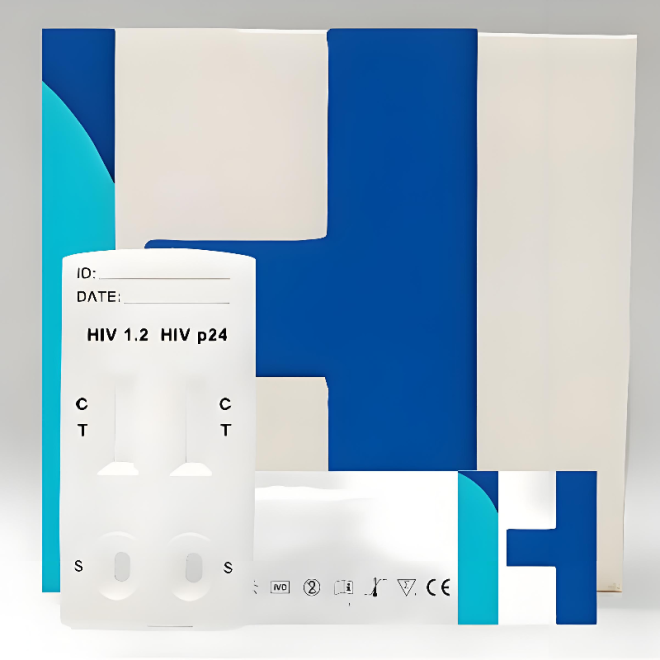
Choosing a Strep A rapid test manufacturer can feel like online dating: everyone claims they’re “accurate,” “reliable,” and “high quality,” but you’re the one stuck wondering who actually deserves a long‑term relationship.
To avoid costly mismatches, check regulatory approvals, independent validation, and quality certifications; you can also compare performance data with trusted references like the WHO’s diagnostics guidance here.
🧪 Understanding certification, regulatory approval, and quality standards for Strep A tests
Choosing a reliable Strep A rapid test manufacturer starts with clear proof of safety, accuracy, and compliance with global regulations. Strong certifications protect patients, brands, and buyers.
Check how the company maintains certifications over time, not just at launch. Stable quality systems and routine audits show long-term reliability and trustworthiness.
1. Key global certifications to verify
Confirm that Strep A rapid tests and facilities meet recognized standards before you buy or sign contracts.
- ISO 13485: quality management for medical devices
- CE mark (IVD): required for many EU markets
- FDA 510(k) or clearance for the U.S. market
- Local registrations (e.g., MHRA, TGA, NMPA)
2. Regulatory approvals and registration status
Reliable manufacturers provide clear regulatory documents, test reports, and registration numbers that you can verify with authorities.
| Region | Regulator | Key Document |
|---|---|---|
| EU | Notified Body / National | CE IVD certificate |
| USA | FDA | 510(k) or clearance letter |
| UK | MHRA | UKCA / registration |
3. Quality management systems and audits
Check if they run a documented quality system with regular internal and external audits.
- Batch records and traceability for each lot
- Validated test methods and equipment
- Corrective and preventive action (CAPA) process
- Supplier qualification and review
4. Compliance with performance and safety standards
Strep A kits should follow relevant clinical and safety standards to lower risk and ensure consistent performance.
- Clinical sensitivity and specificity per guidelines
- Biological safety and proper labeling
- Stability and shelf-life validation
- Clear instructions for use (IFU)
🔬 Evaluating manufacturing processes, from raw materials to finished test quality
Strong manufacturing processes reduce lot variation and support stable performance. Review how the manufacturer manages design, sourcing, production, and release testing.
Ask for written procedures, validation evidence, and typical defect rates. Transparent data-based control shows serious commitment to quality and patient safety.
1. Control of raw materials and key components
Reliable Strep A tests start with screened and approved suppliers for antibodies, membranes, buffers, and plastics.
- Incoming inspection with set criteria
- Supplier audits and quality agreements
- Retention samples and certificates of analysis
- Backup suppliers for risk control
2. In-process quality checks during production
Manufacturers should monitor critical steps like coating, assembly, and packaging to prevent defects early.
3. Final quality control and batch release
Every lot should pass predefined tests before release, with documentation you can review or receive on request.
| Test Type | Purpose |
|---|---|
| Positive / negative control | Check correct line appearance and clarity |
| Stability test | Confirm performance over shelf life |
| Packaging check | Ensure sealing, labels, and IFU are correct |
4. Continuous improvement and complaint handling
Review how the manufacturer tracks complaints, returns, and field feedback and uses them to improve design and process.
- Clear complaint logging and response time
- Root cause analysis for serious issues
- Documented corrective actions
- Trend analysis for recurring problems
📊 Comparing sensitivity, specificity, and clinical validation data of Strep A kits
Clinical performance defines how well a Strep A rapid test works in real patients. Demand clear, independent data with simple, readable metrics.
Use side-by-side comparisons against culture or PCR and check performance in children, adults, and different care settings.
1. Interpreting sensitivity and specificity claims
High sensitivity reduces false negatives; high specificity reduces false positives. Both matter for safe decisions and antibiotic use.
| Metric | Goal |
|---|---|
| Sensitivity | ≥ 95% for strong rule-out power |
| Specificity | ≥ 95% to limit overtreatment |
2. Reviewing clinical trial design and sample size
Ask for study reports that show population, sample size, and reference method. Solid trials support trust in the claimed performance.
- Clear inclusion and exclusion criteria
- Use of throat culture or PCR as reference
- Multi-center and real-world settings preferred
- Transparent statistical methods
3. Independent evaluations and real-world performance
Independent lab or hospital evaluations give extra proof. Look for published data and long-term performance across many batches.
- Peer-reviewed articles or posters
- External quality assessment results
- Consistency across different user groups
🤝 Assessing technical support, training, and after-sales service from HUATHENA
Strong support from HUATHENA helps your team use Strep A rapid tests correctly and reduces user errors and waste.
Check their response speed, training tools, and problem-solving process before committing to long-term supply.
1. Pre-sale consultation and method selection
HUATHENA can guide you on the best Strep A format and workflow for your clinic, lab, or distribution plan.
- Workflow review and throughput planning
- Sample handling and storage advice
- Pilot orders and initial evaluations
2. User training and educational materials
Effective training lowers error rates and supports consistent results across sites and staff levels.
| Training Type | Example Content |
|---|---|
| On-site / online | Sampling, timing, and result reading |
| Documents | IFUs, quick guides, troubleshooting tips |
| Refreshers | Updates on new versions or best practices |
3. After-sales, warranty, and complaint response
HUATHENA should offer clear contact channels, defined response times, and support for investigations when issues arise.
- Batch traceability and replacement policy
- Technical review of reported failures
- Support for audits and documentation requests
🌍 Considering production capacity, delivery stability, and global compliance of HUATHENA
Stable supply from HUATHENA prevents stock-outs and supports long-term tenders, tenders, and national programs.
Review capacity, lead times, and global compliance to match your growth plans and regulatory needs.
1. Production capacity and scalability
Assess whether HUATHENA can scale Strep A output during seasonal peaks or emergency surges.
- Documented monthly and annual capacity
- Flexible lines for different pack sizes
- Contingency plans for demand spikes
2. Delivery reliability and logistics support
Reliable lead times and cold-chain planning keep products stable and ready for use on arrival.
| Factor | Why It Matters |
|---|---|
| Standard lead time | Helps plan inventory and tenders |
| On-time delivery rate | Shows logistics control |
| Shipping options | Supports global routes and customs |
3. Global regulatory reach and portfolio fit
HUATHENA’s global compliance and extended portfolio help you build a complete rapid testing range in your markets.
Explore related Infectious Disease Rapid Test Products to expand your offering and strengthen customer loyalty.
Conclusion
Choosing a reliable Strep A rapid test manufacturer means checking certifications, manufacturing controls, and proven clinical data. These steps guard patient safety and your brand.
By working with HUATHENA, you can gain strong technical support, stable global supply, and a broad diagnostic portfolio tailored to your markets and growth plans.
Frequently Asked Questions about strep a rapid test
1. How accurate are Strep A rapid tests?
High-quality Strep A rapid tests can reach sensitivity and specificity above 95% when used correctly. Accuracy depends on kit design, manufacturing control, and proper sample collection.
2. How fast can Strep A rapid tests deliver results?
Most Strep A rapid tests provide clear results within 5–10 minutes. Always follow the timing in the instructions to avoid weak lines or misread outcomes.
3. Do I still need culture if the rapid test is positive?
In many cases, a positive high-quality rapid test is enough for treatment decisions. Some guidelines may still ask for culture in special or high-risk cases.
4. How should Strep A rapid tests be stored?
Store kits at the temperature listed on the label, usually room temperature, away from heat, sunlight, and moisture. Do not use them after the expiry date.
5. What should I check when selecting a Strep A test supplier?
Verify ISO 13485 certification, regulatory approvals, clinical performance data, stable manufacturing, responsive technical support, and proven delivery reliability across your target regions.