


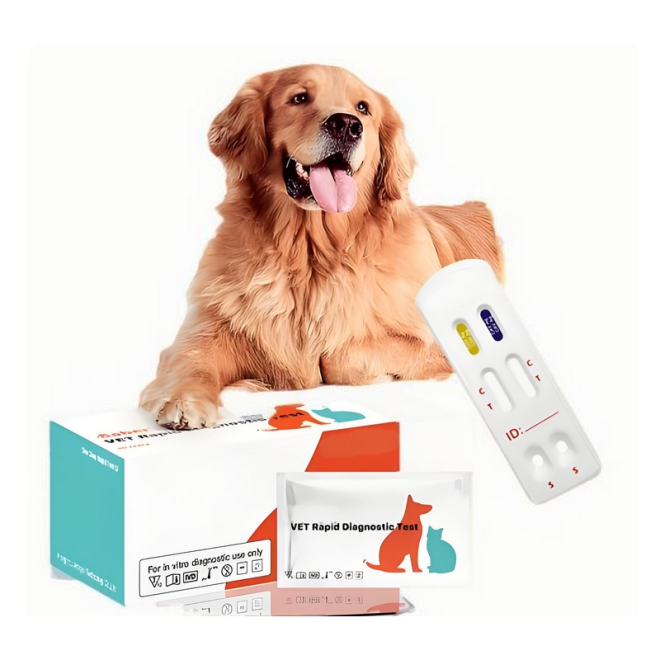
Worried you’ll turn your HAV IgM rapid test into a science experiment gone wrong, with drops, cassettes, and timers everywhere? Don’t panic—this step‑by‑step guide keeps things simple, clean, and far less dramatic than your last DIY project.
We’ll walk you through each step clearly, so you collect, drop, and read results correctly, following safety tips backed by experts like the CDC’s hepatitis A guidance: CDC Hepatitis A Information.
🧪 Overview of HAV IgM rapid test cassette and indications
The HAV IgM rapid test cassette quickly detects hepatitis A IgM antibodies in whole blood, serum, or plasma. It supports early diagnosis and helps guide follow-up care.
Use this test in suspected acute hepatitis A, outbreak screening, or when patients present with jaundice, fatigue, dark urine, or abnormal liver enzymes.
1. What the HAV IgM rapid test cassette detects
The cassette detects IgM antibodies specific to hepatitis A virus.
- Indicates recent or current infection
- Helps distinguish acute from past exposure
- Supports clinical and epidemiological decisions
2. When to use the HAV IgM rapid test
Healthcare providers use the test in several common situations.
| Scenario | Reason to test |
|---|---|
| Acute hepatitis symptoms | Confirm suspected HAV infection |
| Contact with HAV case | Screen exposed individuals |
| Community outbreak | Rapid field investigation |
3. Clinical value and limits
The test offers fast screening but does not replace full lab evaluation.
- Use alongside liver function tests
- Confirm key cases with reference methods
- Follow local public health guidance
4. Related rapid test solutions
Many clinics combine HAV testing with other rapid diagnostics.
- Infectious Disease Rapid Test Products support broader screening
- Women health Rapid Test Products cover fertility, pregnancy, and hormone tests
- Drug of Abuse Rapid Test Products help monitor substance exposure
🧤 Preparing the workspace, materials, and personal protective equipment
Set up a clean, well-lit area before testing. Gather all needed items and wear proper personal protective equipment (PPE) to reduce contamination and exposure risks.
Check kit expiry dates and storage conditions. Prepare waste containers for sharps and biohazard material before starting the HAV IgM rapid test cassette procedure.
1. Essential materials and equipment checklist
Verify all materials are present and ready for use.
| Item | Purpose |
|---|---|
| HAV IgM test cassette | Primary test device |
| Buffer solution | Helps sample flow |
| Disposable lancet | Fingerstick blood collection |
| Capillary pipette or dropper | Apply sample accurately |
| Timer | Control reaction time |
2. Personal protective equipment setup
Wear PPE before handling samples or devices.
- Non-sterile disposable gloves
- Lab coat or gown
- Medical mask and eye protection if splash risk exists
- Change gloves between patients
3. Organizing a safe and clean workspace
Keep the work area organized to avoid errors and contamination.
- Disinfect work surface before and after testing
- Place clean items and used items in separate zones
- Keep food, drinks, and phones away from the testing area
4. Data and quality control overview
Track performance to maintain reliable test results.
💉 Correct fingerstick blood collection and sample application to cassette
Proper fingerstick and sample loading are vital for accurate HAV IgM results. Use clean technique and the correct sample volume every time.
1. Preparing the patient and site
Explain the procedure and gain consent when required.
- Ask the patient to sit comfortably
- Select the side of the fingertip (usually ring or middle finger)
- Clean with alcohol swab and allow to dry fully
2. Performing the fingerstick
Use a sterile lancet and avoid squeezing the finger too hard.
- Puncture the side of the fingertip with one quick motion
- Wipe away the first drop of blood
- Gently massage towards the tip to form a new hanging drop
3. Applying sample and buffer to the cassette
Use the supplied pipette or dropper to apply blood and buffer.
| Step | Action |
|---|---|
| 1 | Draw the required blood volume (per kit insert) |
| 2 | Add blood to the sample well marked “S” |
| 3 | Add the recommended drops of buffer |
| 4 | Start the timer immediately |
⏱ Timing the reaction and reading HAV IgM test results accurately
Follow the manufacturer’s reaction time closely. Reading the cassette too early or too late may give incorrect HAV IgM results.
1. Starting and tracking reaction time
Use a reliable timer rather than guessing.
- Start timing right after adding buffer
- Keep the cassette flat on a level surface
- Avoid moving or shaking the device during development
2. Recommended reading window
Always follow the time window specified in the instructions, often around 15–20 minutes.
| Time | Action |
|---|---|
| 0–5 min | Do not interpret; reaction just starting |
| Within specified window | Read and record result |
| After maximum time | Do not read; discard as invalid |
3. Visual inspection of control and test lines
Hold the cassette in good light and check both regions.
- Control line must appear for a valid test
- Any visible test line should be considered carefully as positive
- Record findings clearly in the patient record
🛡 Interpreting positive, negative, invalid results and next steps with HUATHENA
Correct interpretation of HAV IgM rapid test cassette results guides clinical action and public health response.
1. Positive and negative HAV IgM results
Use both control and test lines to judge the outcome.
| Result | Line pattern | Meaning |
|---|---|---|
| Positive | Control + test line | Recent or current HAV infection likely |
| Negative | Control line only | No HAV IgM detected |
| Invalid | No control line | Test failed; repeat with new cassette |
2. Clinical follow-up and confirmation
Base next steps on symptoms, exposure, and local policy.
- For positive results, consider confirmatory lab tests
- Advise on hygiene, food safety, and contact precautions
- Report suspected outbreaks to health authorities
3. Partnering with HUATHENA for testing strategies
HUATHENA supports clinics and laboratories with integrated rapid testing solutions.
- Standardized instructions and training materials
- Batch tracking for quality assurance
- Technical support for implementing HAV IgM and related panels
Conclusion
The HAV IgM rapid test cassette offers fast, practical support for diagnosing acute hepatitis A and managing outbreaks in many healthcare settings.
By preparing the workspace carefully, following correct fingerstick steps, and timing and reading results exactly as directed, users can improve accuracy and protect patients.
Frequently Asked Questions about hav igm rapid test cassette
1. How accurate is the HAV IgM rapid test cassette?
The test shows high sensitivity and specificity when used correctly and within the stated time window. Always compare results with clinical signs and, when needed, confirm by laboratory methods.
2. Can I use venous blood, serum, or plasma instead of fingerstick blood?
Most HAV IgM rapid tests accept whole blood, serum, or plasma. Check the package insert for allowed sample types and required volumes before using alternative specimens.
3. What should I do if the control line does not appear?
If there is no control line, the result is invalid, even if a test line is visible. Discard the cassette and repeat the test with a new device and fresh sample.
4. How should I store the HAV IgM rapid test kit?
Store the kit at the temperature range printed on the box, away from direct sunlight and moisture. Do not freeze, and never use cassettes past their expiration date.
5. Can the HAV IgM rapid test cassette be used for home testing?
These tests are mainly designed for professional use. A trained healthcare worker should perform the test and interpret results to ensure correct handling, safety, and follow-up care.