


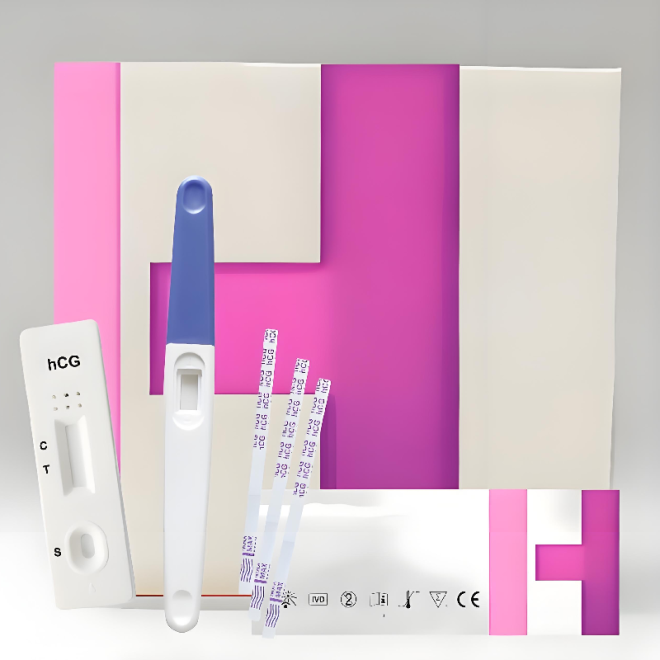
Worried that your syphilis rapid test cassette might be about as reliable as a weather forecast? You’re not alone—nobody wants life-changing news from a test strip that’s just guessing.
Relax. Modern syphilis rapid tests show strong accuracy and reliability, confirmed by clinical studies like this WHO evaluation report: Syphilis POCT Performance.
✅ Factors affecting syphilis rapid test cassette accuracy in clinical settings
Syphilis rapid test cassette accuracy depends on patient factors, sample quality, test design, and operator skills. Understanding these points helps clinics reduce errors and improve reliable diagnosis.
Proper workflows, clear instructions, and training allow rapid tests to match laboratory performance in many settings, especially where timely treatment decisions are critical.
1. Patient and disease stage variables
Test sensitivity can change with early or late infection, immune status, and co-infections.
- Very early infection may yield false negatives
- Advanced or treated cases can show low antibody levels
- HIV co-infection may affect antibody response
2. Sample collection and preparation
Clean, correctly collected samples are vital for accurate results.
| Factor | Impact on result |
|---|---|
| Hemolysis | May blur lines or cause invalid results |
| Wrong sample type | Reduces sensitivity and specificity |
| Insufficient volume | Produces weak or missing test lines |
3. Test cassette quality and design
High-quality membranes, stable antigens, and strong internal controls improve cassette reliability and reduce invalid tests in daily clinical use.
- Clear control line to confirm correct procedure
- Optimized reagents for stable performance
- Batch-to-batch consistency testing
4. Operator training and workflow control
Standardized steps reduce user error and improve result reproducibility across shifts and sites.
- Follow instructions for volume, timing, and reading window
- Use checklists in busy clinics
- Document results immediately to avoid confusion
🔬 Comparing sensitivity and specificity of syphilis rapid tests versus traditional assays
Modern syphilis rapid test cassettes can reach sensitivity and specificity close to laboratory assays, especially when manufacturers validate performance against reference methods.
They offer fast results at the point of care, while traditional tests provide confirmatory value for complex or borderline cases.
1. Overview of performance metrics
Sensitivity shows how well a test finds true positives, while specificity shows how well it excludes people without syphilis.
| Method | Sensitivity (%) | Specificity (%) |
|---|---|---|
| Rapid cassette (typical) | 95 | 98 |
| Traditional lab assay | 97 | 99 |
2. Visual comparison chart
The following bar chart script compares example sensitivity and specificity values for rapid cassettes versus traditional assays.
3. When to confirm rapid test results
Clinicians often confirm positive or unclear rapid tests with laboratory assays, especially in pregnancy, blood donation, or high-risk exposures.
- Borderline results
- High-risk patients with negative rapid tests
- Legal or occupational screening
4. Role of rapid tests in screening strategies
Rapid tests allow broad, low-cost screening in clinics, outreach programs, and emergency settings, then send selected samples for lab confirmation.
- Reduces time to treatment
- Supports decentralized care
- Improves screening coverage
📊 Interpreting weak positive lines and borderline syphilis test cassette results
Weak lines can cause confusion. Clear interpretation rules help staff avoid missed infections and needless patient anxiety.
Combining visual reading with clinical judgment leads to safer treatment decisions and better follow-up planning.
1. What a weak positive line may mean
A faint test line can still indicate syphilis antibodies, especially in early infection or in patients with low antibody levels.
- Treat faint line as potentially positive
- Repeat test or send sample to lab
- Review patient history and risk
2. Handling borderline or inconsistent results
If results do not match symptoms or risk, repeat testing and confirmatory assays help avoid misdiagnosis and delayed care.
| Result pattern | Recommended action |
|---|---|
| Weak positive, high risk | Confirm in lab; consider early treatment |
| Weak positive, low risk | Repeat in several days; confirm if needed |
| Negative, strong symptoms | Order lab tests; consider window period |
3. Communicating results to patients
Use simple terms and explain that a weak or borderline result may need more tests before a final answer is possible.
- Explain uncertainty honestly
- Arrange follow-up testing dates
- Discuss prevention and partner testing
🧪 Proper storage, handling, and timing to maintain cassette reliability
Correct storage and handling keep cassettes stable, reduce invalid tests, and protect their claimed sensitivity and specificity.
Clinics should monitor temperature, humidity, and expiry dates, and follow manufacturer timing instructions strictly.
1. Storage temperature and shelf life
Each kit lists a recommended temperature range and expiry date; staying within these ranges helps keep results accurate.
- Avoid freezing or overheating
- Store in original sealed packaging
- Rotate stock: use older lots first
2. Handling before and during testing
Allow cassettes and samples to reach room temperature, and avoid touching the reaction area or contaminating reagents.
| Step | Key point |
|---|---|
| Opening pouch | Use immediately after opening |
| Sample loading | Use correct volume and device |
| Buffer use | Only use kit-provided buffer |
3. Reading window and result stability
Follow the specified reading time; reading too early or too late may cause false negatives or apparent false positives.
- Use a timer for each test
- Do not re-interpret dried cassettes later
- Record results within the advised window
🏥 Why healthcare providers increasingly trust HUATHENA syphilis rapid test cassettes
Providers look for rapid tests that combine strong clinical performance, easy workflows, and consistent manufacturing standards.
HUATHENA syphilis rapid cassettes address these needs in busy hospitals, clinics, and outreach programs.
1. Proven performance and quality control
HUATHENA cassettes undergo strict validation and lot testing to ensure stable sensitivity and specificity across production runs.
- Robust internal control lines
- Documented quality management systems
- Ongoing performance monitoring
2. User-friendly design for busy clinics
Clear markings, simple steps, and quick readout times help staff reduce mistakes and improve throughput during high patient volumes.
| Feature | Benefit |
|---|---|
| Simple workflow | Short training time |
| Fast results | Supports same-visit treatment |
| Compact format | Easy to store and transport |
3. Integrated portfolio and accessories support
HUATHENA supports comprehensive screening programs with compatible panels and components, including Others Rapid Test Products, Drug of Abuse Rapid Test Products, and Rapid diagnosis accessories.
Conclusion
Syphilis rapid test cassettes offer fast, reliable results when staff follow best practices for storage, handling, and interpretation. Their high sensitivity and specificity support early diagnosis and treatment.
By selecting validated products like HUATHENA cassettes and combining them with confirmatory assays where needed, healthcare providers can strengthen syphilis control in both hospital and community settings.
Frequently Asked Questions about syphilis rapid test cassette
1. How accurate are syphilis rapid test cassettes?
High-quality cassettes typically reach around 95% sensitivity and 98% specificity in clinical studies, though exact values depend on brand, disease stage, and test conditions.
2. Can I trust a weak positive result?
A faint line should be treated as potentially positive. Repeat the test or send a sample to the laboratory for confirmation, especially in high-risk or pregnant patients.
3. When should rapid test results be confirmed by laboratory assays?
Confirm when results are weak, conflict with symptoms, or are used for pregnancy care, blood donation, or legal and occupational screening decisions.
4. What causes false negative syphilis rapid test results?
Very early infection, improper storage, incorrect sample volume, or not following timing instructions can all reduce sensitivity and lead to false negatives.
5. How should clinics store syphilis rapid test cassettes?
Store at the temperature range printed on the box, avoid moisture and sunlight, keep pouches sealed until use, and never use tests past the expiry date.