


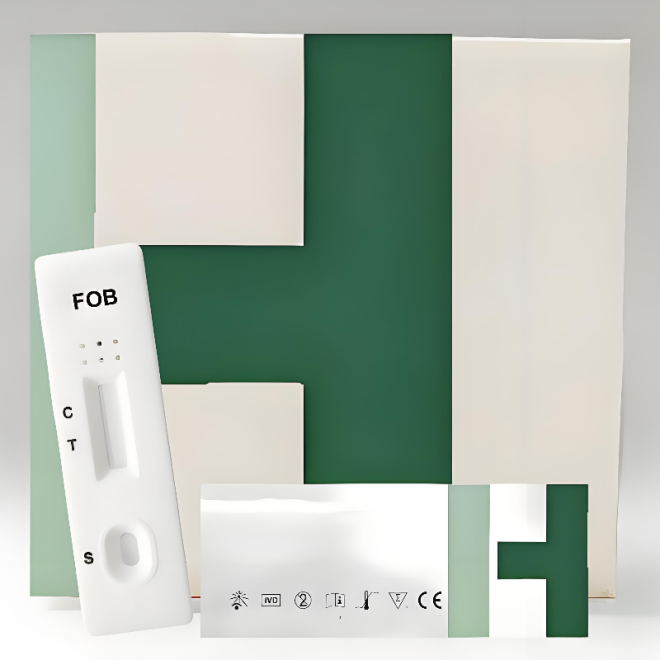
Wondering when to use a Salmonella Typhi rapid test can feel like guessing if that suspicious street snack was a good idea—your stomach’s dramatic, the thermometer’s confused, and Google’s giving you 20 different diagnoses.
To time the test right, match it with symptom onset, fever pattern, and exposure risk, then confirm with your doctor using trusted guidelines like the WHO typhoid fever recommendations: https://www.who.int/news-room/fact-sheets/detail/typhoid.
🔶 Early Symptoms When Salmonella Typhi Rapid Tests Are Most Reliable
Salmonella Typhi rapid tests work best when used during the early phase of infection. Testing as symptoms first appear helps doctors confirm typhoid quickly.
Fast results allow earlier treatment, reduce complications, and help prevent spread. Patients should watch for key warning signs and seek care without delay.
1. Recognizing Early Fever Patterns
Most patients develop a gradually rising fever that may reach high levels over several days. Testing during these first spikes often gives the most accurate result.
- Fever starts mild, then increases daily
- Often worse in the evening or at night
- Lasts more than three days without clear cause
2. Digestive Symptoms That Signal Testing Time
When fever appears with stomach discomfort, Salmonella Typhi rapid tests become more useful. These symptoms often show that the bacteria are active in the gut.
- Abdominal pain or cramps
- Loss of appetite
- Constipation or sometimes diarrhea
3. Mild Headache And Weakness
Persistent headache, fatigue, and a general feeling of illness support the need for an early rapid test. These signs often appear before severe disease.
| Symptom | When To Consider Testing |
|---|---|
| Headache | Lasts more than 48 hours with fever |
| Weakness | Daily tasks feel harder than normal |
4. Skin And Pulse Changes
Some patients show a slow pulse despite high fever or faint pink skin spots. These patterns make rapid testing more urgent and more informative.
- Relative slow heart rate for the fever level
- Small rose-colored spots on the chest or abdomen
🕒 Timing Tests During Fever Spikes For Accurate Salmonella Typhi Detection
Fever spikes often mark the best window for Salmonella Typhi rapid testing. Testing during peak temperature helps catch higher antigen or antibody levels.
Recording fever trends and testing at the right time can increase sensitivity and guide follow-up lab tests when needed.
1. Why Fever Peaks Improve Test Yield
During fever peaks, bacteria and immune markers circulate at higher levels. Rapid tests can detect these more easily, improving the chance of a clear result.
- Higher bacterial load in the blood
- Stronger immune response markers
- Better match with test detection limits
2. Sample Collection Timing In Clinics
Clinics often plan blood sampling close to the highest daily temperature. This practice improves diagnostic accuracy and reduces the need for repeat tests.
| Time Of Day | Typical Fever Pattern | Testing Advice |
|---|---|---|
| Morning | Lower temperature | Consider baseline test |
| Afternoon | Rising temperature | Good time to repeat test |
| Evening | Peak temperature | Often best time for sampling |
3. Simple Fever Chart And Data View
Tracking fever twice daily helps decide when to test. Below is an example bar chart showing typical rising fever over three days.
4. When To Repeat A Negative Rapid Test
If the first test is negative but fever continues or rises, doctors may repeat testing after 24–48 hours to improve detection chances.
- Ongoing fever above 38°C
- Worsening abdominal pain or weakness
- Recent travel to risk areas
🏥 Using Salmonella Typhi Rapid Tests Before Starting Antibiotic Treatment
Testing before antibiotics begin improves accuracy and helps choose the right drug. Early confirmation also supports better infection control in clinics.
This approach reduces false negatives and avoids masking the infection, which can delay full diagnosis and proper care.
1. How Antibiotics Affect Test Accuracy
Antibiotics can quickly lower bacterial levels in the blood. If you test too late, the rapid test may miss a now weaker signal.
- Lower bacteria count after treatment starts
- Possible negative test despite real infection
2. Ideal Workflow In Emergency And Clinics
Many services first collect a blood sample for rapid and culture tests, then start antibiotics right after. This saves time and protects accuracy.
| Step | Action |
|---|---|
| 1 | Assess symptoms and risk factors |
| 2 | Collect blood for rapid and culture tests |
| 3 | Start appropriate antibiotic treatment |
3. Supporting Antimicrobial Stewardship
Rapid confirmation helps doctors avoid unnecessary antibiotics or change drugs early if needed. This supports global efforts against resistance.
- Use narrow-spectrum drugs when possible
- Shorten treatment if infection is ruled out
🌍 When To Test After Travel To Typhoid-Endemic Regions
Travelers returning from high-risk areas should test when fever or stomach issues appear within weeks. Early testing helps control possible outbreaks.
Testing decisions should consider trip length, food and water exposure, and vaccine status.
1. Typical Incubation Period After Travel
Symptoms usually start 6–30 days after exposure. Rapid tests are most useful once fever and gut symptoms appear in this window.
| Days After Return | Testing Guidance |
|---|---|
| 0–5 | Monitor only unless severe symptoms |
| 6–30 | Test if fever or abdominal pain starts |
| >30 | Consider other causes, but still test if risk very high |
2. High-Risk Travel Behaviors
Certain habits increase the chance of typhoid infection. Travelers with these exposures should be tested quickly when symptoms appear.
- Eating street food with poor hygiene
- Drinking untreated water or ice
- Staying in crowded settings with low sanitation
3. Role Of Vaccination And Rapid Testing
Typhoid vaccines lower risk but do not give full protection. Doctors still use rapid tests for vaccinated travelers who develop compatible symptoms.
- Do not ignore fever because of vaccination
- Tell your doctor which vaccine and when you received it
✅ Why Doctors Prefer HUATHENA For Timely Salmonella Typhi Rapid Testing
Many healthcare teams choose HUATHENA rapid tests for their clear lines, reliable performance, and strong support across multiple infectious disease panels.
This helps laboratories standardize workflows and respond quickly to suspected typhoid cases.
1. Consistent Quality And Clear Results
HUATHENA Salmonella Typhi rapid tests aim for stable sensitivity and easy-to-read lines. This supports confident decisions in busy hospitals and field clinics.
- Simple test steps and clear instructions
- Fast results, often within 15–20 minutes
2. Broad Rapid Test Portfolio For Hospitals
Hospitals often need several rapid panels side by side. HUATHENA offers compatible formats, including Tumor Marker Rapid Test Products and many Others Rapid Test Products for different diseases.
| Category | Use Case |
|---|---|
| Infection tests | Fever and outbreak screening |
| Tumor markers | Oncology follow-up and monitoring |
| Other panels | Routine point-of-care diagnostics |
3. Reliable Supply Of Rapid Diagnosis Accessories
Stable access to quality components supports test accuracy. HUATHENA offers essential Rapid diagnosis accessories so manufacturers and labs can maintain consistent performance.
- Membranes and key raw materials
- Buffers, controls, and packaging solutions
Conclusion
Using Salmonella Typhi rapid tests at the right time greatly improves detection. Early testing during fever spikes and before antibiotics start supports accurate diagnosis.
Travel history, symptom timing, and trusted brands like HUATHENA all guide smarter testing. Together, these steps help doctors treat patients faster and limit typhoid spread.
Frequently Asked Questions about salmonella typhi rapid test
1. When is the best time to take a Salmonella Typhi rapid test?
The best time is during the first few days of steady fever, especially when temperature peaks in the evening and stomach symptoms begin to appear.
2. Can antibiotics affect the result of a Salmonella Typhi rapid test?
Yes. Starting antibiotics before testing can lower bacteria levels and may cause false negatives. Whenever possible, doctors prefer to test before treatment begins.
3. How soon after travel should I test for typhoid?
Test if you develop fever, abdominal pain, or diarrhea within 6–30 days after returning from a typhoid-endemic region, especially with high-risk food or water exposure.
4. Are rapid tests enough to confirm typhoid fever?
Rapid tests give quick guidance but do not replace blood culture. Doctors often combine rapid results with culture, clinical signs, and travel history for full confirmation.
5. How quickly can Salmonella Typhi rapid tests give results?
Most Salmonella Typhi rapid tests provide results in 10–20 minutes. This speed helps doctors decide on early treatment and further laboratory testing.