


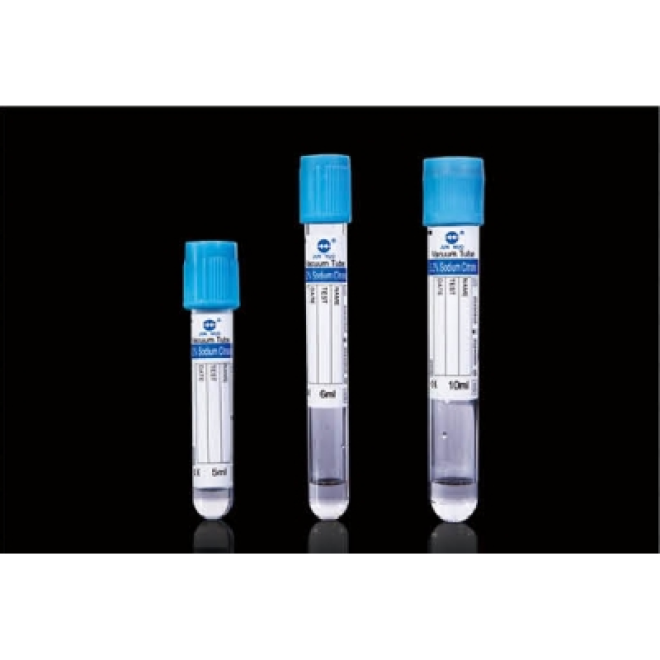
Staring at swabs and test kits, you’re probably thinking, “Am I checking for COVID or auditioning for a sci‑fi lab show?” Antigen, PCR, lines, cycles… you just want clear answers without a biology degree.
To stay sane, match the test to your goal: use rapid antigen for quick mass checks and PCR for accurate confirmation, as explained in this WHO report on COVID‑19 testing strategies here.
🧬 Defining Antigen and PCR Tests in Mass Screening Programs
Antigen and PCR tests both detect infectious diseases, but they do it in different ways. Understanding these differences helps public health teams design safer mass screening programs.
Antigen tests look for viral proteins, while PCR tests detect genetic material. Both methods guide isolation, treatment, and resource allocation during large outbreaks.
1. What Antigen Tests Detect
Antigen tests identify specific proteins on the surface of a virus. They usually use nasal or throat swabs and return results quickly, often in 15–30 minutes.
- Best for rapid screening in schools, factories, and events
- Easy to use with minimal training
- Useful when daily or frequent testing is needed
2. What PCR Tests Detect
PCR tests find viral RNA by amplifying it many times. This method offers very high accuracy but needs laboratory equipment and trained staff.
- Gold standard for confirming infection
- Detects lower viral loads than most antigen tests
- More complex workflow and longer processing time
3. Sample Collection and Equipment
Both methods often use similar samples, but PCR requires more controlled handling and specialized analyzers for large volumes.
| Test Type | Sample | Equipment |
|---|---|---|
| Antigen | Nasal / Throat swab | Simple test cassette |
| PCR | Nasal / Throat / Saliva | Thermal cycler, extractor |
4. Role in Mass Screening Strategies
In mass screening, leaders often combine both tests. Antigen tests screen quickly; PCR confirms positive or unclear results to prevent missed infections.
- Stepwise testing can cut lab burden
- Hybrid strategies improve speed and accuracy
- Useful in airports, hospitals, and large workplaces
📊 Sensitivity and Specificity: Accuracy Differences in Large-Scale Testing
Sensitivity and specificity show how often tests detect true infections and avoid false alarms. Both measures shape policy for community-wide screening programs.
Higher sensitivity reduces missed cases, while high specificity avoids unnecessary isolation. Balancing these helps keep services open and communities safe.
1. Comparing Typical Antigen and PCR Performance
PCR usually has higher sensitivity and specificity than antigen tests, especially in early or low‑viral‑load infections.
2. Impact of Disease Prevalence
When infection rates are low, even small accuracy gaps matter. False positives and negatives can change decisions on lockdowns or travel rules.
- Low prevalence: prioritize specificity to avoid false alarms
- High prevalence: prioritize sensitivity to catch more cases
3. False Positives and False Negatives
Mass screening must manage the risk of wrong results. False negatives may spread disease; false positives may isolate healthy people.
| Result Type | Risk | Usual Response |
|---|---|---|
| False Negative | Hidden spread | Repeat or confirm with PCR |
| False Positive | Unnecessary isolation | Confirm by lab test |
4. Integrating Accuracy with Other Clinical Devices
Hospitals often pair test results with tools like the CBS-500 Electrolyte Analyser to monitor patient status and guide treatment decisions.
- Supports fluid and electrolyte balance checks
- Helps track severe cases or high‑risk patients
⏱️ Turnaround Time and Logistics for Community-Wide Screening Campaigns
Speed shapes how well a screening program works. Faster results mean quicker isolation, shorter queues, and smoother contact tracing.
Managers must balance test accuracy with sample flow, staff capacity, and digital reporting tools for large populations.
1. Antigen Test Turnaround in the Field
Antigen tests often deliver results onsite within minutes, making them ideal for mobile clinics and pop‑up community testing sites.
- Low reliance on lab transport
- Immediate isolation decisions
- Useful in remote areas
2. PCR Laboratory Timelines
PCR testing includes transport, batching, analysis, and reporting. Turnaround can range from several hours to more than a day in busy systems.
| Step | Typical Time |
|---|---|
| Sample transport | 1–4 hours |
| Lab processing | 3–6 hours |
| Reporting | 1–12 hours |
3. Workflow Integration with Other Services
During community campaigns, planners may combine testing with chronic care, such as using a Nano Blood Glucose Monitoring System to support patients with diabetes.
- Reduces repeated clinic visits
- Improves overall health screening
💰 Cost, Resource Requirements, and When to Choose HUATHENA Solutions
Budgets, staffing, and equipment access drive the choice between antigen and PCR in mass screening projects.
Decision-makers must weigh per‑test price, lab capacity, and long‑term investment in diagnostic platforms.
1. Direct and Indirect Testing Costs
Antigen tests are usually cheaper per test, while PCR may cost more but offer higher accuracy and better data for surveillance.
| Factor | Antigen | PCR |
|---|---|---|
| Per‑test cost | Low | Moderate–High |
| Equipment | Minimal | Significant |
| Staff skill | Basic | Advanced |
2. Resource Planning for Long Campaigns
For months‑long programs, planners must secure supplies, stable staffing, and infrastructure to avoid gaps in community protection.
- Stock management and cold chain
- Training and supervision
- Data collection systems
3. When HUATHENA Device Solutions Add Value
Beyond infection testing, HUATHENA devices like the Vacuum Cavitation System support broader clinical services, helping facilities maximize equipment use during and after outbreaks.
🏥 Best Use Cases: Antigen for Rapid Checks, PCR for Confirmation
Antigen and PCR tests work best when used together in a clear, stepwise plan.
Rapid antigen checks can filter large groups, while PCR confirms and guides treatment in key cases.
1. High-Throughput Community and Workplace Screening
Mass events, schools, and factories often rely on antigen tests for quick entry screening, followed by PCR when results are positive or unclear.
- Maintains operations while reducing risk
- Supports regular, repeated testing
2. Hospital, Elderly Care, and High-Risk Settings
In high‑risk settings, PCR often serves as the primary test, especially for new admissions, staff outbreaks, or vulnerable groups.
| Setting | Main Tool | Support Tool |
|---|---|---|
| Hospital ICU | PCR | Targeted antigen |
| Nursing home | PCR for confirmation | Routine antigen |
3. Travel, Border Control, and Public Events
Travel corridors may use antigen tests for pre‑departure checks and PCR on arrival or for close contacts, balancing speed with safety.
- Reduces congestion at border points
- Allows quick response to imported cases
Conclusion
Mass screening works best when leaders match test type to purpose. Antigen tests support rapid, frequent checks, while PCR builds strong confirmation and surveillance layers.
Clear protocols, strong logistics, and smart use of connected devices create safer communities and more resilient health systems during infectious disease outbreaks.
Frequently Asked Questions about infectious disease testing solutions
1. Which test is better for mass screening: antigen or PCR?
For first‑line screening of large groups, antigen tests are usually better because they are fast and simple. PCR is preferred for confirming results and guiding clinical care.
2. How often should antigen tests be repeated?
In high‑risk settings, many programs test every few days. Frequent testing helps offset lower sensitivity and catches infection earlier in its course.
3. When should a positive antigen result be confirmed by PCR?
Confirm positive antigen results by PCR in low‑prevalence areas, in high‑risk patients, or when results do not match symptoms or exposure history.
4. Can chronic disease monitoring be combined with infectious screening?
Yes. Many clinics pair infection testing with tools like a Nano Blood Glucose Monitoring System to support patients with diabetes or other long‑term conditions.
5. How do accuracy metrics affect policy decisions?
Higher sensitivity reduces missed cases, while higher specificity reduces false alarms. Policymakers use both measures to set rules for isolation, travel, and reopening.