


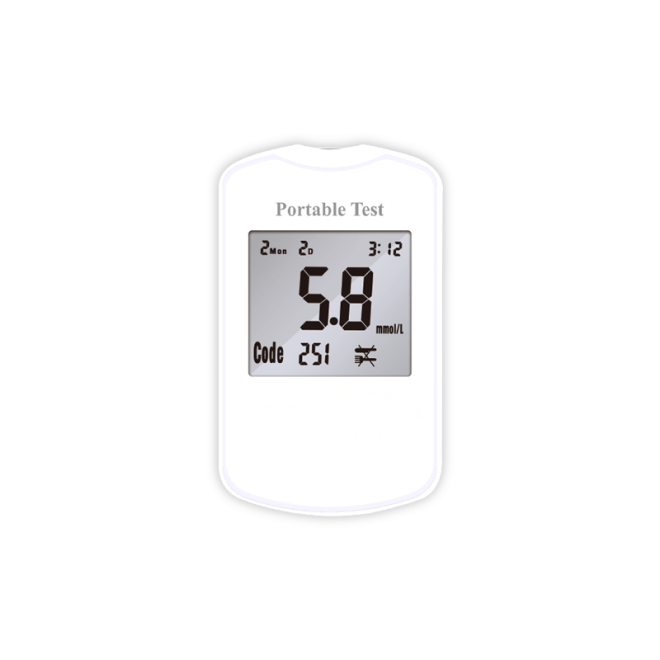
Your head spins faster than a centrifuge as you compare OEM and ODM test kit options, pricing sheets, and acronyms—wondering if you’re building a brand or just collecting new ways to say “I’m confused.”
Relax. Focus on your brand’s control, cost, and speed-to-market, then match them to OEM or ODM strengths—this McKinsey report helps clarify manufacturing partnerships and risk.
1. 🧪 Defining OEM and ODM Models in Diagnostic Test Kit Manufacturing
OEM and ODM models help test kit brands enter markets faster with controlled cost and quality. Choosing the right model shapes your risk, flexibility, and brand value.
Both paths support rapid commercial launch of products like rapid diagnostics, multi-parameter analyzers, and accessories, while keeping regulatory and production demands manageable.
1.1 What Is OEM for Test Kit Brands?
In OEM, you use the manufacturer’s existing test kit design and technology but sell it under your own brand name and packaging.
- Faster time to market
- Lower R&D investment
- Limited design ownership
1.2 What Is ODM for Test Kit Brands?
In ODM, you work with the manufacturer to create a custom test kit design that fits your technical, clinical, and branding requirements.
- Higher product differentiation
- Stronger brand positioning
- Longer development lead time
1.3 When OEM Makes More Sense
OEM fits distributors and startups that want quick product launch with minimal risk while relying on proven test kit platforms.
| Goal | Why OEM |
|---|---|
| Fast launch | Use ready technology |
| Limited budget | Save on R&D |
| Test market | Low entry risk |
1.4 When ODM Brings Higher Value
ODM suits brands that want unique features, multi-parameter platforms, or custom devices such as the advanced YS-917D Blood Pressure, Blood Sugar, Uric Acid, Blood Ketone Tester.
- Need exclusive technology
- Plan premium pricing
- Focus on long-term IP value
2. 🏭 Production Control: Customization Differences Between OEM and ODM Test Kits
OEM production focuses on stable, replicable output using existing lines. ODM adds deeper engineering input, design changes, and flexible scaling to match brand-specific needs.
Both models can support complex diagnostic ecosystems that include test cassettes, analyzers, and tools like the Injection Adapter for sample handling.
2.1 OEM Customization Scope
OEM usually allows limited changes focused on branding and packaging, not on the test chemistry or device structure.
- Logo, color, and box design
- IFU language and layout
- Minor format adjustments
2.2 ODM Customization Scope
ODM lets you shape the core product: assay range, sample type, device firmware, and user interface, based on target market needs.
| Element | OEM | ODM |
|---|---|---|
| Assay design | Fixed | Customizable |
| Housing design | Basic changes | New design |
| Software/UI | Standard | Tailored |
2.3 Capacity, Lead Time, and Cost Comparison
Below is a simple bar chart comparing typical OEM vs ODM values for lead time, unit cost, and customization level.
2.4 Impact on Supply Chain Risk
OEM reduces complexity, which lowers supply risk, while ODM requires stronger planning but can secure more stable, long-term component strategies.
- OEM: simpler sourcing and forecasting
- ODM: more items but higher control
3. 📦 Packaging, Labeling, and Compliance Considerations for OEM vs ODM Solutions
Packing and labeling must match each region’s rules and your brand identity, regardless of OEM or ODM strategy.
Clear labeling, validated sterilization, and correct documents help avoid customs delays and regulatory penalties.
3.1 OEM Branding and Private Labeling
With OEM, you keep the core product but fully adapt outer packaging, labels, and IFUs to match your local brand story.
- Box artwork and colors
- Logo and trademark placement
- Language localization
3.2 ODM Packaging for New Product Families
ODM supports building a full test kit family look, including accessories and devices like the Glass Bead Steriliser - GBS-5000B for instrument tip sterilization.
| Item | Key Concern |
|---|---|
| Outer box | Transport protection |
| Inner tray | Component stability |
| Labels | Regulatory details |
3.3 Regulatory Marking and Documentation
Both OEM and ODM must follow MDR, IVDR, FDA, or local rules on UDI, lot traceability, and performance claims.
- CE or FDA identifiers
- Lot and expiry printing
- IFU compliance statements
4. 🧬 Quality Assurance and Regulatory Support: Why HUATHENA Is a Reliable Partner
HUATHENA supports both OEM and ODM projects with strict quality control, stable documentation, and regulatory guidance across different regions.
This reduces your internal workload while strengthening product safety and performance consistency.
4.1 Robust Quality Management System
HUATHENA follows international standards with validated processes, calibrated instruments, and ongoing process monitoring for every test kit batch.
- Incoming material checks
- In-process QC controls
- Final release testing
4.2 Regulatory Files and Technical Dossiers
OEM and ODM partners receive structured documents that support registrations, tenders, and audits in key global markets.
| Document | Purpose |
|---|---|
| Technical file | Regulatory review |
| Risk analysis | Safety evidence |
| Performance report | Clinical claims |
4.3 Continuous Improvement and Feedback Loop
HUATHENA collects partner feedback, field data, and complaint records to adjust formulations, packaging, and processes over time.
- Trend analysis on complaints
- Preventive actions on issues
- Regular product upgrades
5. 🤝 Long-Term Cooperation, Technical Support, and Cost Efficiency With HUATHENA
Long-term partnerships with HUATHENA help you control total cost, improve product mix, and keep your diagnostic portfolio competitive.
OEM and ODM clients both gain direct expert support from R&D, production, and regulatory teams.
5.1 Pre-Sales Technical Consultation
HUATHENA helps you choose the right model, estimate demand, and define needed parameters based on your market segment and channel strategy.
- Model selection (OEM vs ODM)
- Volume and pricing planning
- Portfolio matching
5.2 After-Sales Training and Service
Brands receive training materials, troubleshooting guides, and online sessions to support distributors and clinical users.
| Support Type | Benefit |
|---|---|
| User guides | Lower misuse rate |
| Video training | Faster onboarding |
| Remote support | Quick problem solving |
5.3 Cost Optimization Over Product Lifecycle
Stable sourcing, scale production, and phased design updates help keep unit costs competitive without harming quality.
- Volume-based pricing
- Shared components across lines
- Lean packaging solutions
Conclusion
OEM and ODM strategies both give strong paths for diagnostic test kit brands, but serve different growth stages and risk levels. Clarifying your goals, budget, and timeline helps you choose the right route.
By working with a partner like HUATHENA, you gain reliable manufacturing, regulatory support, and flexible customization, which together strengthen brand reputation and long-term market position.
Frequently Asked Questions about diagnostic test kits manufacturer
1. How do I choose between OEM and ODM for my test kit brand?
Select OEM if you need fast launch with low development cost. Choose ODM if you want unique features, exclusive design, and stronger long-term brand control.
2. What certifications should a diagnostic test kit manufacturer hold?
Look for ISO 13485, relevant CE or IVDR compliance, and, where needed, FDA registrations. These show mature quality systems and regulatory competence.
3. Can I start with OEM and later move to ODM?
Yes. Many brands begin with OEM to test the market, then shift to ODM when sales grow and they need differentiated products.
4. What information should I prepare before contacting a manufacturer?
Prepare target markets, expected volumes, desired test parameters, packaging style, regulatory needs, and launch timeline. This speeds up quoting and solution design.
5. How long does it take to launch an ODM diagnostic test kit?
It depends on complexity and regulatory scope. Simple ODM adaptations may need a few months, while fully new platforms can require a year or more.