


Choosing point of care tests can feel like speed‑dating in a lab coat—too many options, confusing specs, and you’re never sure who’s actually reliable until it’s awkwardly late.
This complete guide simplifies choices, compares standards, and follows WHO recommendations so you can buy with confidence. See the WHO Essential Diagnostics List report for trusted benchmarks.
🧪 Overview of point of care testing and global healthcare applications
Point of care testing (POCT) delivers fast results near the patient, helping clinicians make quicker decisions and start treatment without delay.
Global buyers value POCT for emergency rooms, ICUs, community clinics, and home care, where speed, simplicity, and stable performance are vital.
1. Core advantages of point of care testing
POCT reduces turnaround time, supports rapid triage, and cuts repeat visits. It suits both advanced hospitals and low‑resource regions.
- Small sample volume
- Easy operation
- Fast digital reporting
- Lower training needs
2. Main application areas worldwide
Key uses include glucose monitoring, coagulation testing, infectious disease screening, and chronic disease follow‑up in hospitals and home care.
| Setting | Typical POCT |
|---|---|
| Emergency | Cardiac markers, coagulation |
| Clinic | Glucose, lipids |
| Home | Blood pressure, glucose |
3. Representative POCT devices for buyers
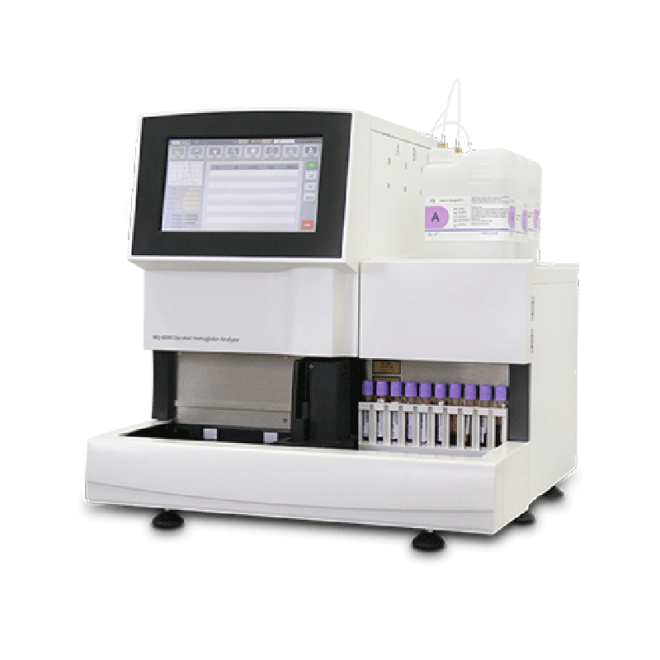
For global sourcing, devices like the Chemistry Analyzer MS100 support quick chemistry and coagulation checks with low maintenance and clear digital readouts.
4. Multi‑parameter home and clinic solutions
Integrated analyzers such as the YS-911D Blood Pressure, Blood Sugar, Uric Acid, Blood Ketone Tester help manage chronic diseases with one compact platform.
🌍 Key regulatory standards and certifications for point of care testing devices
Safe POCT devices must follow strict standards so results remain accurate, traceable, and accepted across different regions and health systems.
Global buyers should confirm each analyzer meets local rules, registration needs, and quality system requirements before purchase.
1. Essential international frameworks
Most markets refer to ISO standards for quality systems and risk control. These give buyers a common language to compare suppliers.
- ISO 13485: medical device quality management
- ISO 14971: risk management
- IEC 62366: usability engineering
2. Regional approvals buyers must know
Regulators like FDA (USA), CE (EU), NMPA (China), and others check safety, performance, and labeling before products enter the market.
| Region | Main Mark |
|---|---|
| USA | FDA 510(k), CLIA |
| EU | CE, IVDR |
| China | NMPA |
3. Example bar chart: number of POCT approvals by region
The following script shows a simple comparison of hypothetical POCT approvals using ECharts.
4. Documentation checklist for importers
Importers should request complete regulatory files to reduce customs delays and tender risk.
- Valid certificates (CE, FDA, ISO)
- Clinical performance reports
- Labeling and IFU in target language
- After‑sales and warranty policy
🧬 Selecting reliable point of care tests globally, recommended brand: HUATHENA
Global buyers should focus on accuracy, total cost, scalability, and service. HUATHENA offers stable, user‑friendly POCT solutions for many care settings.
1. Key selection criteria for POCT analyzers
Compare devices by clinical need, throughput, ease of training, reagent supply, and total ownership cost over several years.
| Factor | Why it matters |
|---|---|
| Accuracy | Supports safe clinical decisions |
| Speed | Speeds diagnosis and triage |
| Connectivity | Links data to LIS/HIS |
2. HUATHENA featured systems for core tests
The HUATHENA line includes analyzers like the GLM-32 Blood Glucose Analyzer, designed for quick, precise glucose checks in clinics and home monitoring.
3. Partnership, logistics, and training support
Global buyers should seek vendors who provide technical training, online support, spare parts, and stable reagent logistics to ensure long‑term uptime.
- Remote troubleshooting
- On‑site installation when needed
- Standardized user manuals and videos
📊 Practical considerations: accuracy, stability, and quality control in daily testing
Reliable POCT needs strong internal quality control, stable reagents, and clear workflows that fit daily clinical practice.
1. Accuracy and analytical performance
Check precision, linearity, and correlation with reference methods. Use comparison studies before large‑scale rollout.
- Run pilot tests
- Compare with lab analyzers
- Review peer‑reviewed data
2. Internal and external quality control
Use control materials every day and join external quality assessment schemes when possible to benchmark performance.
| QC Type | Purpose |
|---|---|
| Internal QC | Daily performance check |
| External QC | Compare with other labs |
3. Maintenance, calibration, and records
Plan preventive maintenance, regular calibration, and digital logs to prove traceability during audits or tenders.
- Scheduled cleaning
- Calibration reminders
- Electronic maintenance logs
🏥 Implementation strategies for point of care testing in diverse clinical settings
Each setting needs a tailored POCT plan that fits staffing, patient volume, and budget while still meeting quality standards.
1. Hospital and emergency department deployment
Hospitals should define test menus, train nurses, and link POCT data to electronic records to avoid manual errors.
- Clear test protocols
- Role‑based user access
- IT integration with LIS/HIS
2. Primary care, rural, and outreach programs
Choose rugged devices with battery options, simple user interfaces, and minimal consumable needs for remote clinics.
| Need | Device Feature |
|---|---|
| Unstable power | Battery operation |
| Limited staff | One‑button testing |
3. Home monitoring and telemedicine models
Home POCT should pair with apps or platforms so clinicians can review data and adjust therapy without in‑person visits.
- Simple instructions
- Secure data upload
- Alerts for out‑of‑range values
Conclusion
Point of care testing is now a core part of global care models, from large hospitals to remote villages and home users.
By focusing on standards, quality control, and trusted brands like HUATHENA, buyers can build safe, scalable POCT networks that truly improve patient outcomes.
Frequently Asked Questions about point of care testing
1. What is point of care testing?
Point of care testing is diagnostic testing performed near the patient, using compact analyzers that deliver quick results for faster clinical decisions.
2. Are POCT results as reliable as central lab tests?
When devices are certified, well maintained, and used with proper quality control, POCT results can closely match central laboratory performance.
3. How should buyers compare different POCT brands?
Review regulatory approvals, clinical validation data, warranty terms, reagent costs, training support, and connectivity options before choosing a supplier.
4. Can POCT be used in low‑resource settings?
Yes. Many POCT devices are designed for limited infrastructure, with battery power, simple workflows, and low maintenance needs.