


Managing on-site drug tests can feel like herding caffeinated cats—confusing rules, awkward conversations, and everyone suddenly very interested in “working from home.”
Use a clear, compliant workplace drug screening program backed by guidelines from the SAMHSA Workplace Toolkit to streamline policies, protect staff, and reduce chaos.
💊 Understanding On Site Workplace Drug Screening: Purpose, Scope, and Legal Basics
On site workplace drug screening helps employers manage safety, cut risk, and support wellness. Fast results support clear decisions, lower incidents, and improve overall productivity.
A well‑planned program defines why, when, and how testing occurs. It should match your safety needs, respect employee rights, and follow all local and national laws.
1. Core Goals of On Site Drug Screening
Set clear goals before launching testing. Focus on safety, legal compliance, and early support for employees who may struggle with substance use.
- Reduce accidents and safety incidents
- Protect brand and customer trust
- Support employee health and early intervention
2. Common Testing Situations and Employee Groups
Define who you test and when. This prevents bias and shows the program is fair, transparent, and job‑related.
| Situation | Example |
|---|---|
| Pre‑employment | New hire screening |
| Random | Safety‑sensitive roles |
| Post‑incident | After workplace accident |
| Return‑to‑duty | After policy violation |
3. Legal and Regulatory Considerations
Work with legal counsel to align screening with labor law, privacy rules, and union agreements. Keep written procedures updated and accessible.
- Follow national and regional drug testing laws
- Address disability and privacy protections
- Maintain secure, limited‑access records
4. Choosing Reliable On Site Test Products
Use validated, easy‑to‑use test kits with clear instructions. Reliable products reduce errors and help supervisors act with confidence.
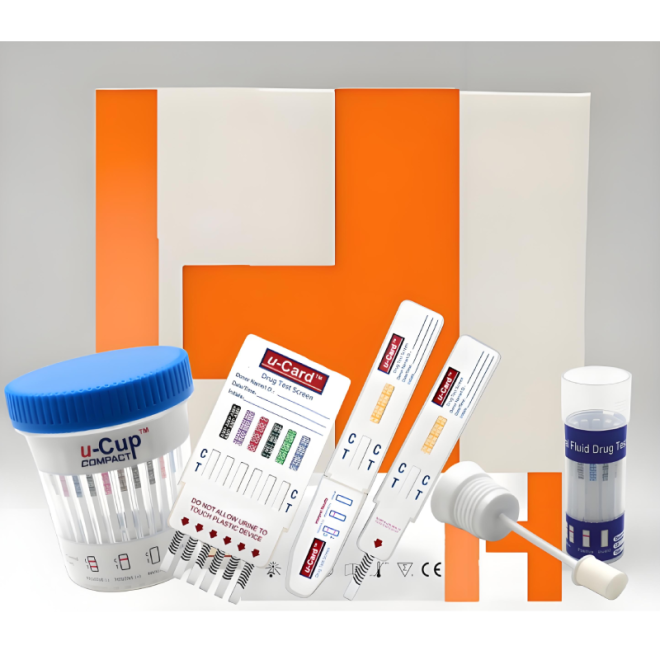
Consider multi‑panel point‑of‑care devices, such as certified Drug of Abuse Rapid Test Products, to cover key drug classes with one simple collection.
🧪 Comparing On Site Drug Testing Methods: Urine, Saliva, Hair, and Breath
Different sample types detect drugs over different time frames. Understanding these windows helps you match each method to your workplace risk profile.
Most employers blend methods, using urine or saliva on site and lab confirmation when needed for disputed or positive screening results.
1. Urine Testing: Widely Used and Cost‑Effective
Urine tests are common, low cost, and detect many drugs for one to several days. They suit pre‑employment, random, and post‑incident testing.
- Broad drug coverage
- Moderate detection window
- Needs secure collection area
2. Saliva (Oral Fluid) Testing: Fast and Less Invasive
Saliva tests are observed easily and reduce tampering. They detect very recent use and fit post‑incident or reasonable suspicion screening.
- Simple, observed collection
- Short detection window (hours to 1–2 days)
- Good for road and field teams
3. Hair Testing: Long‑Term Drug Use Insight
Hair testing shows patterns of use over weeks or months. It is useful for high‑risk roles, but not for detecting very recent use.
| Feature | Detail |
|---|---|
| Window | Up to 90 days |
| Tamper resistance | High |
| Best for | Pre‑employment, high‑trust roles |
4. Breath Testing: Alcohol‑Specific Monitoring
Breath testing measures alcohol in real time and supports strict safety rules for drivers, machine operators, and security‑sensitive positions.
Below is a simple bar chart comparing typical detection windows (in days) for common methods:
📋 Designing A Compliant On Site Drug Screening Policy For Your Organization
A clear written policy explains why you test, who you test, and what happens after a positive or refused test.
Involve HR, legal, and safety leaders so rules stay fair, legal, and aligned with your culture and risk levels.
1. Defining Scope, Roles, and Responsibilities
Describe covered employees, testing triggers, and who manages each step of the process, from collection to final decision.
- Covered job groups and locations
- Program owner (HR, Safety, or both)
- Supervisor duties and limits
2. Clear Procedures and Communication
Write simple procedures employees can understand. Share them during hiring and training to reduce confusion and disputes.
| Document | Purpose |
|---|---|
| Policy summary | High‑level rules and goals |
| Employee guide | Explains rights and steps |
| Supervisor checklist | How to request tests |
3. Handling Positive Results and Refusals
Set fair, consistent actions for positive results, refusals, and missed tests. Include support options and appeal routes where allowed.
- Confirmatory lab testing
- Disciplinary steps by severity
- Referral to help programs where possible
🛡️ Ensuring Confidentiality, Fairness, and Employee Rights During On Site Testing
Respectful, private testing builds trust and reduces claims of bias. Train managers to follow the same process every time.
Protect medical data carefully and make sure employees know how to report concerns or errors without fear of retaliation.
1. Protecting Privacy and Secure Data Handling
Limit access to test records and keep them separate from standard HR files. Use locked storage and restricted digital systems.
- Role‑based access to results
- Secure collection areas
- Defined retention timelines
2. Avoiding Discrimination and Bias
Apply testing rules evenly to all covered staff. Use objective triggers, not personal views, when ordering reasonable suspicion tests.
| Risk | Control |
|---|---|
| Manager bias | Standard checklists |
| Unequal testing | Random selection tools |
| Misuse of data | Strict access rules |
3. Transparent Employee Communication and Support
Explain how testing works, what each result means, and what support is available. Open communication can improve cooperation and reduce fear.
- FAQ documents and briefings
- Clear contact for questions
- Links to counseling or EAP services
🏢 Implementing On Site Screening Logistics With Reliable Partner HUATHENA
A strong partner like HUATHENA can supply rapid tests, training, and guidance, making on site screening simpler and more consistent.
They help you standardize workflows, choose suitable panels, and align products with your policy, risk profile, and legal context.
1. Choosing the Right Test Panels and Formats
Match drug panels to regional trends, job risk, and legal limits. Consider combo panels for faster, simpler on site workflows.
- Industry‑specific drug panels
- Single‑use cassettes or cups
- CLIA‑waived or certified options
2. Training Collectors and Supervisors
Structured training reduces errors and disputes. HUATHENA can support correct sample handling and device use for reliable screening.
| Audience | Key Skills |
|---|---|
| Collectors | Chain of custody, device use |
| Supervisors | When and how to order tests |
| HR / Safety | Policy, escalation, vendors |
3. Continuous Program Review and Optimization
Review metrics often, such as positivity rates and near‑miss events. Adjust your approach and panels as risks, laws, or work patterns change.
- Annual policy and vendor review
- Update training after incidents
- Align changes with legal advice
Conclusion
On site drug screening programs, when designed well, can protect safety, support employees, and reduce risk. Clear policies and trusted tests are essential for fair, consistent practice.
Work with legal, HR, and expert partners to match methods and products to your unique operations. Review performance often and keep communication open with your workforce.
Frequently Asked Questions about on site drug screening
1. How accurate are on site drug screening tests?
Modern rapid tests are highly reliable when used correctly. Positive screens should be confirmed by an accredited laboratory, especially before serious employment actions.
2. How fast can we get on site test results?
Most rapid urine or saliva devices provide results within 5–10 minutes. This speed allows quicker decisions about duty status and incident management.
3. Can employees refuse an on site drug test?
Employees may refuse, but your policy should explain the consequences. Many employers treat refusal the same as a positive result, within legal limits.
4. Are on site tests compliant with privacy laws?
Yes, if you protect data, restrict access, and follow relevant privacy and employment laws. Always seek legal advice when setting up your program.
5. How often should we review our drug screening policy?
Review at least once per year or whenever laws, risks, or operations change. Update procedures, panels, and training to keep the program effective and fair.