


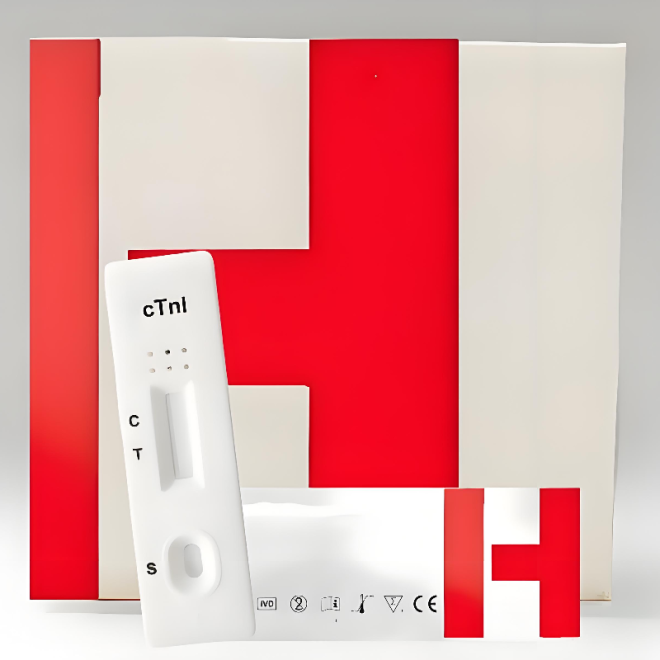
Worried your drug test might mistake cold medicine for chaos? You’re not alone—nothing says “trust issues” like squinting at a tiny test strip and wondering if it can actually tell what’s really in your system.
Relax. Reliable rapid tests use validated methods, and you can confirm accuracy with lab follow-ups and clear cutoff levels, as explained in this NIH-reviewed report.
🧪 Factors influencing drug abuse rapid test accuracy in clinical and home settings
Drug abuse rapid test accuracy depends on correct use, storage, user training, and sample type. Both clinical and home settings must follow instructions closely to avoid wrong results.
Understanding these key factors helps buyers select better products and set up safer screening programs for workplaces, clinics, and home monitoring.
1. Test design, cut-off levels, and detection window
Each rapid test targets set drugs and cut-off levels. These levels affect how long a substance stays detectable and how sensitive the test will be in real use.
- High cut-off: fewer false positives, but may miss light or early use
- Low cut-off: greater sensitivity, but slightly higher false positive risk
- Different drugs: very different detection windows in urine, saliva, or blood
2. User training and adherence to instructions
Even highly accurate devices can give poor results if users ignore directions. Clear instructions reduce errors and improve trust in home and clinical testing.
- Read timing carefully (for example, read result at 5 minutes, not 15)
- Use proper sample volume with dropper or swab
- Check control line to confirm valid test run
3. Storage conditions and shelf life
Temperature, humidity, and expiration dates strongly affect test chemistry. Following storage guidelines keeps antibody activity stable and ensures predictable performance.
| Factor | Risk if ignored |
|---|---|
| High heat | Reduced sensitivity, weak lines |
| Freezing | Damaged reagents, invalid results |
| Expired date | Unstable performance, more errors |
4. Clinical vs home setting differences
Clinical labs usually control sample collection and chain of custody. Home tests rely on untrained users, so the design must stay simple and robust.
- Clinics: better documentation, possible confirmatory testing
- Home: greater privacy, more risk of misuse or wrong timing
- Workplace: need for clear policies and re-testing plans
🔍 Understanding false positives and false negatives in drug abuse rapid testing
False positives and false negatives can occur in any screening method. Knowing their causes helps users interpret rapid test results more confidently and safely.
High-quality devices reduce error rates, but no test reaches 100%. Combining screening with confirmatory methods supports fair, defensible decisions.
1. What is a false positive result?
A false positive means the test shows a drug present when the person did not actually use that substance within the detection window.
- May be caused by cross-reactivity with some medicines
- Can occur if reading time is exceeded
- Should be confirmed by lab methods like GC-MS
2. What is a false negative result?
A false negative means the test shows no drug detected even though recent use did occur within the expected detection period.
- Testing too soon or too late after use
- Dilute urine or low drug level near cut-off
- Wrong storage or expired test kit
3. Common causes and real-world impact
False results can affect employment, treatment plans, and legal judgments. Good policies always allow confirmatory testing and medical review before final decisions.
| Issue | Effect | Mitigation |
|---|---|---|
| Medication interference | False positive | Record full drug history |
| Poor sample quality | False negative | Repeat test, supervise collection |
| Improper timing | Either | Align test time with known use risk |
4. Visualizing error rates with screening tests
Screening tools aim to keep both false positives and false negatives low. Certified brands usually publish sensitivity and specificity data for key drugs.
📊 Comparing sensitivity and specificity of different drug abuse rapid test methods
Sensitivity and specificity measure how well a rapid test finds real positives and real negatives. Balanced performance supports fair and consistent screening decisions.
When comparing kits, users should review validation data, intended matrix, and target analytes rather than relying on price alone.
1. Urine, saliva, and blood rapid tests
Each specimen type offers unique pros and cons for workplace, roadside, and clinical use, with different sensitivity and detection windows.
| Matrix | Typical Use | Detection Window |
|---|---|---|
| Urine | Workplace, rehab | Hours to several days |
| Saliva | Roadside, recent use | Minutes to 24–48 hours |
| Blood | Clinical confirmation | Very recent use |
2. Immunoassay strips vs cassette and cup formats
Immunoassay chemistry stays similar across formats; usability, sample handling, and tamper resistance mainly drive the choice between strips, cassettes, and multi-panel cups.
- Strips: cost-effective, suited for trained staff
- Cassettes: clearer layout, helpful for home use
- Cups: integrated collection, less handling error
3. When to seek laboratory confirmation
Any non-negative or disputed result should be sent to a certified lab for confirmation, using highly specific methods with legal-grade documentation.
- Pre-employment or legal cases
- Unexpected positives in long-term patients
- Borderline results close to cut-off values
🧬 How sample quality and handling affect drug test reliability and results
Sample integrity is as important as test design. Poor collection or storage can quickly turn an accurate device into an unreliable tool.
Strict protocols for chain of custody, labeling, and temperature control improve trust in both negative and positive results.
1. Proper collection techniques
Clear, step-by-step collection methods reduce contamination, dilution, and mix-ups, especially in busy clinical or workplace screening programs.
- Use clean, labeled containers or swabs
- Follow minimum volume requirements
- Supervise when required by policy
2. Storage, transport, and time to testing
Most samples should be tested quickly. If delays occur, controlled storage and documented transport keep analyte levels more stable.
| Condition | Recommendation |
|---|---|
| Short-term storage | Room temperature, avoid direct sun |
| Longer delays | Refrigerate according to instructions |
| Transport | Sealed bags, clear labels, logs |
3. Detecting tampering and adulteration
Some donors may try to dilute or alter samples. Built-in checks and staff training help identify suspicious specimens early.
- Check temperature strips on urine cups
- Monitor unusual color, odor, or foam
- Use adulteration panels when needed
✅ Why choosing certified tests like HUATHENA supports consistent, trustworthy screening outcomes
Certified rapid tests follow strict quality standards and clinical validation. Choosing trusted brands reduces error rates and improves confidence in every positive or negative result.
HUATHENA devices are designed for clear lines, stable chemistry, and easy use in both professional and home settings.
1. Regulatory compliance and third-party validation
Independent evaluations confirm that HUATHENA rapid tests meet sensitivity, specificity, and stability claims across various drugs and sample types.
- Documented clinical performance data
- Batch control and quality audits
- Clear IFU (instructions for use) in plain language
2. Integrated solutions and accessory support
Using compatible consumables and accessories further improves reliability. This integrated approach reduces day-to-day variation in busy screening programs.
- Matched collection tools from Rapid diagnosis accessories
- Consistent materials across lots
- Standardized workflows for staff
3. Broader rapid test portfolios for different settings
Many users combine drug abuse tests with other point-of-care tools to build complete safety and infection control programs suited to their risk profile.
- Drug screening plus Others Rapid Test Products
- Integrated protocols with Infectious Disease Rapid Test Products
- Unified training and documentation
Conclusion
Drug abuse rapid test accuracy depends on certified devices, good sample handling, and clear procedures. By understanding sensitivity, specificity, and error sources, users can interpret results more fairly.
Choosing reliable brands like HUATHENA, together with confirmatory lab testing when needed, builds safer workplaces, clinics, and home monitoring programs with consistent, trustworthy outcomes.
Frequently Asked Questions about drug of abuse rapid test
1. How accurate are drug abuse rapid tests?
High-quality rapid tests often reach sensitivities and specificities above 95% for many drugs. Actual accuracy depends on proper use, storage, timing, and sample quality.
2. Can medications cause false positive results?
Yes. Some prescription or over-the-counter medicines can cross-react with certain panels. Always record all medications and confirm any unexpected positive with a laboratory test.
3. How long after use can drugs be detected?
Detection windows vary by drug and sample type. Many substances remain detectable in urine for 1–3 days, while saliva usually reflects more recent, short-term use.
4. Do negative results prove someone is drug-free?
No. A negative result means the drug level is below the cut-off at the time of testing. Very recent or distant use can still fall outside the detection window.
5. When should a laboratory confirmation be requested?
Request confirmation whenever results are positive, disputed, or carry legal or employment impact. Lab tests provide higher specificity and detailed concentration data.