


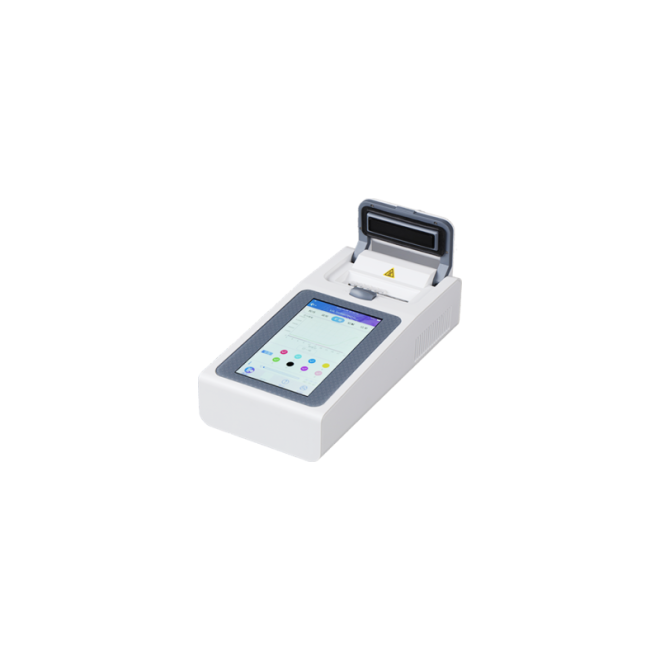
Choosing a blood cell analyzer supplier can feel like online dating for lab equipment—you scroll through specs, doubt every promise, and worry you’ll end up with a very expensive, high-maintenance mistake.
To avoid that drama, focus on proven reliability, strong service support, and verified performance data, guided by standards like the ISO 15189 medical laboratories report.
🔬 Key Technical Standards for Reliable Blood Cell Analyzer Performance
Choosing a reliable blood cell analyzer supplier starts with clear technical standards. Focus on accuracy, speed, stability, and compatibility with your existing lab workflow and data systems.
Consistent performance reduces repeat tests, saves reagents, and supports confident clinical decisions. A strong supplier helps you optimize sample throughput while keeping error rates low.
1. Measurement Accuracy and Precision
Ask for validation data that compares analyzer results with reference methods. Reliable systems show tight repeatability and low coefficient of variation for key parameters.
- WBC, RBC, PLT linearity ranges
- Precision for Hb, HCT, indices
- Flagging rate for abnormal cells
2. Throughput, Turnaround Time, and Sample Types
Match analyzer throughput to patient volume. Check if it supports whole blood, capillary samples, and STAT processing without long warm-up times.
| Feature | Typical Range |
|---|---|
| Samples/hour | 60–120 |
| Startup time | <10 minutes |
| STAT mode | Priority access |
3. Reagent System, Closed vs Open
Reliable suppliers offer stable reagents and clear shelf-life data. Confirm whether the system is closed or open and how this affects cost and quality.
- Reagent traceability and batch records
- Onboard stability and storage needs
- Automatic reagent status alerts
4. Connectivity, Data Security, and LIS Integration
Modern analyzers should integrate with LIS/HIS, support secure data transfer, and offer simple backup and export tools for audits and accreditation.
- HL7 / ASTM compatibility
- User access control and logs
- Remote support capability
🧪 Evaluating Quality Control Systems and Calibration Support from HUATHENA
Quality control and calibration define long-term analyzer reliability. HUATHENA focuses on stable QC programs, clear calibration protocols, and responsive technical guidance.
Strong QC tools help you detect drift early, reduce downtime, and support consistent results across devices and locations.
1. Internal Quality Control Management
Check if HUATHENA analyzers support multi-level QC, rules-based interpretation, and automatic lock-out when QC fails.
- Levey–Jennings charts on screen
- Westgard rule support
- Custom QC schedules
2. External Quality Assessment and Peer Comparison
Reliable suppliers assist with EQA programs and peer group reports, helping labs benchmark performance against similar instruments.
| Program Type | Benefit |
|---|---|
| EQA/PT | Independent performance check |
| Peer comparison | Early drift detection |
3. Calibration Services, Frequency, and Traceability
Ask HUATHENA for clear calibration intervals, traceable calibrators, and remote or on-site assistance during setup, relocation, or major service.
- Traceability to international references
- Documented calibration certificates
- Guides for troubleshooting shifts
4. Visual Data Analysis of QC Stability
The chart below shows a sample bar comparison of monthly QC pass rates that labs may track with HUATHENA support.
🏥 Matching Analyzer Specifications to Your Laboratory’s Testing Requirements
Match instrument features with your test menu, volume, staffing level, and available space to avoid underuse or overload of the analyzer.
1. Test Menu Coverage and Clinical Scope
Confirm that differential counts and flags meet your clinical needs. Check if your lab also requires tools like an I500 Blood Gas and Chemistry Analyser for expanded testing.
2. Workflow, Staffing, and Automation Level
Consider auto-loading, barcode scanning, and simple user interfaces to reduce manual steps and training time in busy or small labs.
- Autoloader or single-sample mode
- Bidirectional LIS link
- On-screen maintenance guides
3. Space, Power, and Environmental Conditions
Check footprint, noise, and environmental limits. Align analyzer needs with other devices such as a Bi - level Ventilator in critical care areas.
📊 After-Sales Service, Training, and Maintenance Support by HUATHENA
A reliable supplier offers strong after-sales service, clear training plans, and preventive maintenance to keep analyzers running smoothly.
1. Installation, Training, and User Resources
HUATHENA should provide structured training, user manuals, and online support. Ensure new staff can learn the system quickly with minimal disruption.
| Support Type | Example |
|---|---|
| On-site training | Initial go-live sessions |
| Remote support | Video or phone guidance |
2. Preventive Maintenance and Spare Parts
Confirm maintenance schedules, spare part availability, and response times. Fast support reduces downtime and protects patient service quality.
- Annual preventive visits
- Guaranteed spare part access
- Clear service logs
3. Upgrades, Software Updates, and Lifecycle Planning
Ask about firmware updates, new features, and trade-in options to keep your lab technology current without sudden high costs.
🧾 Regulatory Compliance, Certifications, and Documentation for Safe Analyzer Operation
Regulatory compliance proves that a blood cell analyzer meets safety and performance requirements in your region and application.
1. International and Local Certifications
Verify CE, FDA, or relevant regional approvals. Check for ISO 13485 quality system certification at the manufacturer and supplier level.
- CE-IVD or similar marking
- Country-specific registrations
- Updated certificates on request
2. Operation Manuals, SOPs, and Validation Documents
Reliable suppliers provide clear manuals, sample SOPs, and validation templates to help you meet accreditation and internal audit needs.
3. Risk Management, Safety Features, and Traceability
Review safety interlocks, error logs, and traceability of reagents and consumables. For mobility support, tools like a Carbon Fiber Rollator can complement patient care outside the lab.
Conclusion
Choosing a reliable blood cell analyzer supplier requires more than comparing prices. You should assess technical standards, QC support, and analyzer specifications carefully.
Also review after-sales service, training, and regulatory compliance. A strong partner like HUATHENA helps your laboratory deliver accurate, timely, and safe patient results every day.
Frequently Asked Questions about blood cell analyzer
1. How often should we run quality control on a blood cell analyzer?
Most labs run multi-level QC at least once per shift, after key maintenance, and whenever reagents, calibrators, or critical parts change.
2. What factors affect the accuracy of blood cell analyzer results?
Accuracy depends on correct sampling, reagent quality, calibration status, maintenance, ambient conditions, and proper operator training.
3. How long does a typical blood cell analyzer last?
With proper maintenance and updates, many analyzers run reliably for 7–10 years, though workload and environment can shorten or extend this.
4. Can small laboratories use advanced hematology analyzers?
Yes. Many compact analyzers offer advanced flags and connectivity while keeping workflows simple for small or medium-size labs.
5. What documents should we keep for accreditation audits?
Maintain QC records, calibration reports, maintenance logs, validation data, SOPs, training records, and up-to-date certificates from the supplier.