


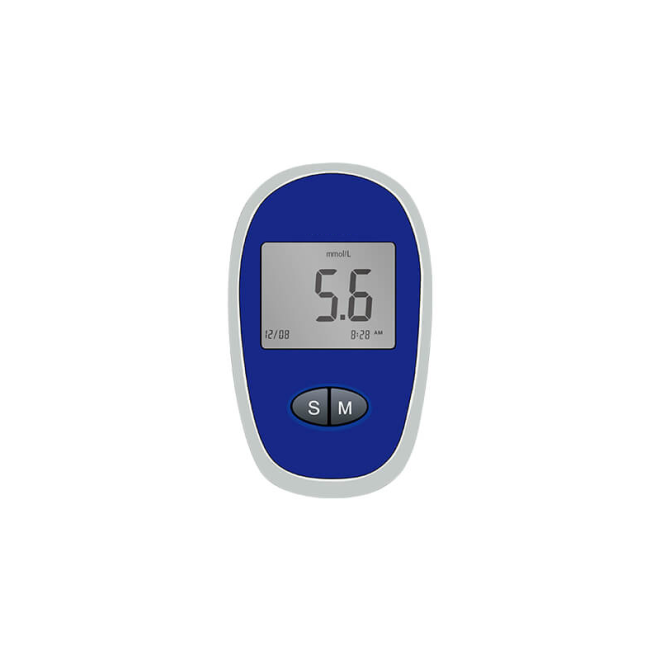
Choosing diagnostic equipment suppliers can feel like online dating: flashy profiles, big promises, and you still worry the analyzer might ghost you mid‑experiment.
This guide shows clear steps to verify quality, using audits, certifications, and data. See WHO’s guidance here.
🔍 Checking Regulatory Compliance, Certifications, and Standards Documentation
Reliable diagnostic equipment starts with strict regulatory compliance. Ask suppliers to prove their approvals, quality systems, and risk‑management processes with clear, updated documents.
Strong paperwork reduces legal risk, supports patient safety, and protects your hospital’s reputation when choosing items like a high‑risk Emergency Ventilator.
1. Verify Global and Local Regulatory Approvals
Confirm the supplier holds all approvals needed in your country and for export markets if required.
- Check EU MDR or CE mark for Europe
- Check FDA 510(k)/PMA for the United States
- Review local ministry of health registrations
- Match approvals to exact model and options
2. Confirm Quality Management System Certificates
Quality system certificates show how a supplier manages risk, design, and production for diagnostic devices.
| Standard | Focus |
|---|---|
| ISO 13485 | Medical device quality system |
| ISO 9001 | General quality management |
| ISO 14971 | Risk management for devices |
3. Review Technical Files and Risk Documentation
Ask for redacted technical files that show design controls and risk controls for complex implants, such as the WE - FinL Revision Femoral Stem.
- Design history and change records
- Clinical evaluation or performance data
- Usability and human‑factors assessment
4. Check Standards, Labels, and UDI Traceability
Ensure products follow key IEC/ISO safety standards and use clear labels and UDI codes for full tracking across their life cycle.
- Electrical and EMC safety reports
- Language and symbol checks on labels
- UDI and barcodes tested in your HIS/LIS
🧪 Evaluating Calibration Practices, Testing Procedures, and Quality Control Systems
Routine calibration and structured testing keep diagnostic equipment accurate. Review written procedures and evidence from real production batches.
Strong quality control lowers downtime, supports accreditation, and stabilizes long‑term clinical performance.
1. Assess Calibration Plans and Intervals
Suppliers should define how often they calibrate, what standards they use, and how they document every step.
| Item | Key Check |
|---|---|
| Reference standards | Traceable to national labs |
| Intervals | Based on risk and usage |
| Certificates | Digital, signed, and stored |
2. Review Incoming, In‑Process, and Final Testing
Ask how they test raw materials, assemblies, and finished units, especially for high‑precision items such as a HIFU Machine.
- Test plans linked to risk analysis
- Clear pass/fail criteria
- Full traceability of test results
3. Examine Non‑Conformance and CAPA Processes
Quality suppliers track issues, investigate root causes, and prevent repeat failures with a closed‑loop CAPA system.
- Time to close non‑conformances
- Trend analysis of repeated issues
- Impact assessment on shipped units
4. Use Data to Compare Defect and Failure Rates
Request anonymized defect and field failure data to compare suppliers using objective quality indicators.
🤝 Assessing Technical Support, Training Services, and After‑Sales Responsiveness
Support quality strongly affects safety and uptime. Confirm how fast the supplier responds, trains your staff, and solves real‑world problems.
1. Measure Response and Resolution Times
Define clear service‑level targets and check if the supplier can prove them with past records.
| Metric | Target |
|---|---|
| First response | < 2 hours |
| Remote fix | < 24 hours |
| On‑site visit | < 48–72 hours |
2. Evaluate Clinical and Technical Training
Effective training reduces user error and improves diagnostic accuracy for new systems.
- Structured onboarding for clinicians and engineers
- Refresher sessions after software updates
- Multimedia guides and e‑learning modules
3. Check Spare Parts, Warranty, and Upgrade Policies
Ask how long they keep spare parts, what warranty covers, and if software and hardware upgrades are planned and documented.
- Parts availability for 7–10 years
- Transparent warranty conditions
- Planned upgrade roadmap
🏭 Inspecting Manufacturing Processes, Facility Conditions, and Traceability of Components
On‑site or virtual audits show how equipment is built. Focus on process control, cleanliness, and tracking of every key component.
1. Review Production Flow and Process Controls
Walk through the full line from raw material to final packing and check how the supplier controls variation.
| Area | What to Check |
|---|---|
| Assembly | Work instructions and tooling |
| Testing | Automated vs. manual tests |
| Release | Final QA sign‑off rules |
2. Inspect Cleanliness and Environmental Controls
Facility conditions should fit the risk level of the device and protect sensitive electronics and sterile parts.
- Cleanroom controls and logs
- Temperature and humidity records
- ESD protection for electronics
3. Confirm Full Traceability of Critical Components
Suppliers must trace every batch and serial number to enable fast recall and structured field action if needed.
- Lot and serial tracking in ERP/MES
- Link to test data and inspectors
- Recall simulation exercises
📊 Comparing Performance Data, User Feedback, and Long‑Term Reliability of HUATHENA
When assessing HUATHENA systems, combine lab data, independent reviews, and lifetime reliability metrics to reach a balanced, evidence‑based decision.
1. Analyze Objective Performance Benchmarks
Look for verified accuracy, sensitivity, and specificity results from independent or multi‑center studies, not only internal marketing materials.
| Parameter | Key Check |
|---|---|
| Accuracy | vs. gold‑standard method |
| Throughput | Samples or tests per hour |
| Downtime | Hours per month |
2. Collect Feedback from Similar Hospitals
Speak with reference sites that use HUATHENA for similar case mix, volume, and staffing levels.
- Ease of daily operation
- Support quality in real cases
- Hidden costs or workflow issues
3. Track Long‑Term Reliability and Lifecycle Costs
Compare five‑ to ten‑year field data, including failure rates, spare‑parts use, and software upgrade impact on uptime.
- Mean time between failures (MTBF)
- Service cost per year
- Energy and consumable usage
Conclusion
Verifying diagnostic equipment suppliers means checking documents, testing data, production controls, and service strength. Each part protects patient safety and your hospital’s budget.
Use structured checklists, real performance data, and on‑site audits to compare vendors fairly. This helps you select long‑term partners who can grow with your clinical needs.
Frequently Asked Questions about hospital diagnostic equipment
1. How often should diagnostic equipment be calibrated?
Most hospitals calibrate key diagnostic devices at least once a year, or more often for high‑use or high‑risk systems. Always follow the manufacturer’s written schedule.
2. What documents should I request from a new supplier?
Ask for regulatory approvals, ISO certificates, risk and technical files, test reports, service manuals, and sample calibration and maintenance records tied to real serial numbers.
3. Why is after‑sales support so important?
Strong support reduces downtime, speeds repairs, and helps your staff use equipment correctly. This improves patient safety and protects your return on investment over time.