


Trying to pick a blood glucose meter feels like online dating: too many options, weird features, and you just want one that actually works without drama.
This guide cuts the chaos, explains what really matters, and backs it up with science from the National Institutes of Health.
🩸 Understanding Point of Care Blood Glucose Meters and How They Work
Point of care blood glucose meters give fast results at the bedside or at home. They support quick treatment decisions and help keep glucose within target ranges.
These compact devices use tiny blood samples, disposable test strips, and built‑in electronics to give readable values in seconds with minimal training.
1. Core Components of a Glucose Meter
Each meter includes a sample port, sensor, processor, and display. Together, they turn a small blood drop into a clear, numeric glucose result.
- Lancet and lancing device
- Test strip with enzyme layer
- Meter chip and memory
- Battery or rechargeable power
2. Biochemical Reaction on the Test Strip
The test strip holds enzymes that react with glucose. This reaction creates an electric signal whose strength reflects the glucose level in the sample.
| Step | Action |
|---|---|
| 1 | Blood enters strip |
| 2 | Enzyme reacts with glucose |
| 3 | Signal is generated |
| 4 | Meter calculates result |
3. Digital Processing and Result Display
The meter reads the signal, applies calibration, and shows a plasma‑equivalent glucose value. It often stores data with date and time stamps for later review.
4. Integration with Other Point of Care Devices
Advanced sites may pair meters with tools like the KE-2000 Multi-parameter Detector to check several biomarkers at once for better diabetes and metabolic care.
⚙️ Key Features That Improve Accuracy and Reliability in Daily Testing
Modern point of care meters use smart strip design, coding methods, and built‑in checks to reduce user error and improve accuracy for everyday testing.
Clear displays, data storage, and links to clinic systems also help clinicians and patients track trends instead of single readings.
1. Strip Technology and Sample Size
High‑quality strips need only a tiny drop of blood and draw it in by capillary action. This makes tests less painful and easier for older adults.
- Micro‑sample volumes
- Capillary fill windows
- Anti‑interference chemistry
2. Calibration, Coding, and Quality Control
Auto‑coding and control solutions keep meters aligned with lab standards. Regular checks support consistent decisions in both clinics and home use.
| Check | Purpose |
|---|---|
| Control test | Verifies meter and strips |
| Lot verification | Confirms new strip batches |
| Periodic review | Compares with lab values |
3. Data Trends and Visual Dashboards
Many systems turn readings into easy graphs so users see highs, lows, and patterns. This supports better diet, exercise, and medication decisions.
4. Linking Glucose Results with Other Tests
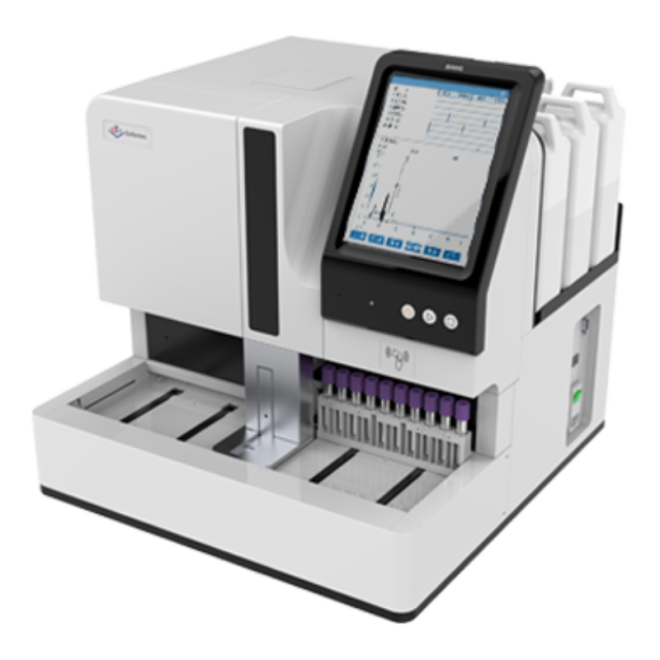
Devices such as the Automatic Glycated Haemoglobin Analyser A1C-EXP M13 complement daily glucose readings with long‑term HbA1c trends to support treatment planning.
📋 Proper Testing Technique: From Finger Prick to Interpreting Results
Correct technique reduces errors and improves safety. Each step, from preparation to interpretation, must follow manufacturer and clinical guidance.
1. Preparing the Patient and Equipment
Wash hands, check the strip lot and expiry, and confirm the meter date and time before each test to avoid mix‑ups.
- Gather meter, strips, lancet
- Confirm patient identity
- Use gloves in clinical settings
2. Collecting the Blood Sample
Use the side of the fingertip, not the pad, for less pain. Gently milk, but do not squeeze hard, to avoid diluted samples.
3. Reading and Acting on the Result
Compare the reading to target ranges and symptoms. Repeat if results seem inconsistent, then adjust food, insulin, or other drugs as advised.
🏥 Using Point of Care Glucose Meters in Clinical and Home Settings
These meters support fast, informed care in hospitals, clinics, and homes, reducing delays linked with central laboratory testing.
1. Hospital and Emergency Department Use
Staff use bedside meters for rapid screening, insulin titration, and monitoring during surgery or critical illness, especially in high‑risk patients.
2. Outpatient Clinics and Community Programs
Clinics combine glucose meters with devices like the KE-6004 Blood Oximeter to check both oxygen and glucose status, which is vital for fragile patients.
3. Self‑Monitoring at Home
People living with diabetes test at home to understand how meals, exercise, stress, and medication affect daily glucose patterns.
- Support dose adjustment
- Reduce hypoglycemia risk
- Improve long‑term control
✅ Why HUATHENA Meters Are Ideal for Safe, Consistent Blood Glucose Monitoring
HUATHENA point of care meters focus on accuracy, ease of use, and strong data management, making them suitable for both clinics and home users.
1. High Accuracy and Robust Quality Control
HUATHENA designs its meters to meet international performance standards, with built‑in quality checks to support safe dosing and clinical decisions.
2. User‑Centered Design and Workflow
Clear screens, quick test times, and simple menus reduce training needs and help reduce user error in busy clinical settings.
3. Scalable Solutions for Clinics and Hospitals
Systems can connect multiple meters, central software, and other analyzers to support larger diabetes programs and integrated point of care testing.
Conclusion
Point of care blood glucose meters give fast, reliable values that guide daily diabetes decisions. When users follow proper technique, they can trust readings for safe treatment.
By pairing high‑quality meters with tools like A1c analyzers and multi‑parameter systems, care teams gain a complete, real‑time view of each patient’s glucose control.
Frequently Asked Questions about point of care testing devices
1. How often should I check a point of care glucose meter’s accuracy?
Run control tests when you open a new strip vial, change lots, drop the meter, or see unexpected results. Clinics also follow regular quality schedules.
2. Can point of care meters replace laboratory glucose testing?
No. Meters are ideal for rapid decisions, but laboratories remain the reference for diagnosis, complex cases, and periodic method comparison.
3. What factors most often cause inaccurate readings?
Common causes include expired or poorly stored strips, unwashed hands, too little blood, extreme temperatures, and not following the device instructions.